
What Do Mechanics Do? Understanding the Daily Responsibilities of an Automotive Mechanic
Understanding the daily life of an automotive mechanic reveals the essential roles these skilled professionals play in keeping vehicles running smoothly. Mechanics are the backbone of the automotive industry, performing a variety of critical tasks to ensure the safety and reliability of your car. Their daily responsibilities encompass a mixture of diagnostic work, repairs, and customer interactions.
Diagnosing Issues
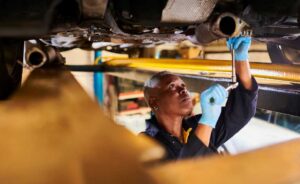
One of the first tasks that mechanics undertake daily is diagnosing issues with vehicles. When a car arrives at the shop, it might not be immediately clear what the problem is. Mechanics ask the vehicle owner about symptoms, such as strange noises, warning lights, or performance issues. Using diagnostic tools and their knowledge of automotive systems, they can pinpoint the source of the problem. Some common diagnostic techniques include:
- Reading error codes using an OBD-II scanner
- Visual inspections of crucial components
- Test drives to replicate issues
- Conducting pressure tests on systems like brakes and cooling
Performing Repairs
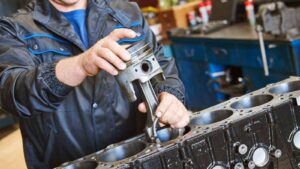
After identifying problems, mechanics shift their focus to repairs. This can range from simple tasks, like changing oil or replacing tires, to more complex jobs, such as rebuilding engines or replacing transmissions. Each repair requires specific skills and knowledge, ensuring that mechanics apply the right techniques and tools.
Some typical repair activities include:
- Replacing worn-out brake pads or rotors
- Fixing exhaust system leaks
- Tuning up engines to improve performance
- Repairing or replacing electrical systems and components
Maintaining Vehicles
Regular maintenance is key to a vehicle’s longevity. Mechanics perform routine services that help prevent more severe issues down the line. These tasks often include:
- Oil changes to keep the engine lubricated
- Checking and replacing air filters for optimal performance
- Inspecting fluid levels (brake fluid, coolant, transmission fluid)
- Tire rotations and balances to ensure even wear
By emphasizing preventive measures, mechanics contribute to maintaining vehicle performance and safety, helping you avoid costly repairs in the future.
Customer Interaction
Another critical aspect of a mechanic’s job involves interacting with customers. Mechanics must communicate effectively, explaining technical issues in a way that customers understand. Usually, they provide detailed estimates for repairs and maintenance services. This transparency builds trust and ensures clients feel comfortable with the service being provided. Good mechanics take time to:
- Listen to customers’ concerns
- Educate them about their vehicle’s needs
- Provide timely updates on the status of repairs
- Offer advice on future maintenance or repairs
Staying Updated
The automotive industry is always evolving, fueled by advancing technology and new vehicle models. Therefore, mechanics must continue their education throughout their careers. Regularly attending training sessions or workshops allows them to stay current with the latest tools, technologies, and repair techniques. This commitment to learning also enhances their diagnostic and repair efficiency.
Working with Tools and Equipment
Mechanics rely heavily on a variety of tools and equipment to perform their tasks effectively. From hand tools to computer diagnostic equipment, each item plays a crucial role in daily operations. Common tools include:
- Wrenches, sockets, and pliers for basic repairs
- Jack stands and hoists for accessing vehicle undersides
- Diagnostic scanners to identify electronic issues
- Torque wrenches for precision work
The combination of technical knowledge, practical skills, and customer service forms the foundation of an automotive mechanic’s daily responsibilities. This unique blend ensures that your vehicle remains in top condition, allowing you to hit the road with confidence.
The Skills Required to Become an Effective Automotive Mechanic
Becoming an effective automotive mechanic requires a unique blend of skills, knowledge, and personal attributes. The world of automotive repair is complex, and mechanics need to be well-prepared to tackle any issue that arises. Here, we’ll delve into the essential skills that can help you excel in this rewarding profession.
First and foremost, a solid understanding of automotive systems is crucial. You should be familiar with how various components of a vehicle work together. This includes:
- Engine systems
- Transmission components
- Braking systems
- Electrical systems
- Cooling systems
Having a deep knowledge of these systems enables you to diagnose problems accurately. This skill is built through education, hands-on training, and practical experience. Many mechanics start their journey with formal training from vocational schools or community colleges.
Analytical thinking is another vital skill for an automotive mechanic. When a vehicle presents issues, you must identify the root cause promptly. This requires breaking down a problem and examining various potential sources. Strong analytical skills allow you to determine whether a malfunction is due to a faulty part, poor maintenance, or an error in assembly. This methodical approach can save time and reduce costs for both you and your customers.
In addition to analytical thinking, mechanical aptitude is essential. Hands-on skills are what set successful mechanics apart. You should be comfortable using a variety of tools and machines, such as:
- Wrenches
- Screwdrivers
- Diagnostic scanners
- Hydraulic lifts
Proficiency with these tools ensures that you can perform repairs quickly and efficiently. As technology evolves, familiarity with newer tools and technologies also becomes increasingly important. Keeping up-to-date is vital in an industry that continuously advances.
Attention to detail is a characteristic that cannot be overlooked. In automotive repair, small mistakes can lead to major complications. As you conduct repairs or replacements, you need to be meticulous in your work. This includes ensuring that parts are installed correctly, fluids are filled to the proper levels, and every component is checked thoroughly. Developing this habit will instill confidence in your work and your reputation as a mechanic.
Communication is a key skill that often goes unnoticed. Mechanics need to interact with customers and colleagues regularly. Being able to explain complex automotive problems in a straightforward manner is important to help customers understand the services they require. Good communication also fosters teamwork when working alongside other mechanics or service advisors. Always keep your discussions clear and concise, avoiding technical jargon whenever possible.
Physical stamina is another requirement for aspiring automotive mechanics. The job can be physically demanding; you may find yourself bending, lifting, or standing for extended periods. A good level of fitness can enhance your efficiency and reduce fatigue, allowing you to perform well, even during long shifts.
Problem-solving abilities are indispensable in the automotive field. Each car presents unique challenges, and as a mechanic, you’re expected to devise solutions swiftly. Whether handling a common issue or a rare malfunction, your ability to think on your feet will directly impact your effectiveness as a mechanic. This skill improves with experience, so the more hands-on work you do, the better you’ll become at overcoming problems.
Adaptability is another key quality that will serve you well in this profession. Due to constant innovations in the automotive industry, you need to remain flexible. Learning new techniques, familiarizing yourself with newer vehicle models, or adopting the latest diagnostic tools should be part of your ongoing professional development. By staying adaptable, you ensure that your skill set remains relevant and valuable in a rapidly changing field.
To become an effective automotive mechanic, you need a diverse skill set. Mastery of automotive systems, analytical thinking, mechanical aptitude, attention to detail, communication, physical stamina, problem-solving, and adaptability are all crucial elements. By honing these skills, you’ll position yourself for success in the automotive industry.
Common Tools and Equipment Used by Mechanics in Their Trade
When it comes to the world of automotive repair, the right tools and equipment play a crucial role in a mechanic’s ability to perform their tasks efficiently and effectively. Whether working on everyday cars or specialized vehicles, mechanics rely on a wide array of tools to get the job done. Here’s a detailed look at some of the most common tools and equipment used by mechanics in their trade.
Hand Tools
Hand tools are the backbone of automotive repair. They are essential for a variety of tasks, from simple repairs to complex jobs. Some of the most common hand tools include:
- Wrenches: Including both standard and metric sizes, adjustable wrenches, and socket wrenches are essential for loosening and tightening bolts and nuts.
- Screwdrivers: A set of flat-head and Phillips-head screwdrivers is necessary for removing and securing screws throughout a vehicle.
- Pliers: These come in various types, such as needle-nose pliers, slip-joint pliers, and locking pliers, used for gripping, twisting, and cutting wires or small parts.
- Hammers: Mechanics often use rubber mallets and ball-peen hammers for specific tasks, such as aligning parts or removing dents.
- Files: Useful for smoothing out rough edges on metal parts after cutting or shaping them.
Power Tools
Power tools help mechanics expedite their work and often provide greater precision and power than hand tools. Some important power tools include:
- Impact Wrenches: These are crucial for loosening and tightening nuts and bolts quickly, especially in places with limited space.
- Drills: Cordless drills are versatile tools that can be used for drilling holes in various materials and tightening screws.
- Grinders: Angle grinders are used for cutting, grinding, and polishing metal parts.
- Sanders: These tools are essential for smoothing surfaces or removing paint.
Diagnostic Equipment
As vehicles grow more advanced, diagnostic tools become vital for identifying issues. Key diagnostic equipment includes:
- OBD-II Scanners: These devices connect to a vehicle’s onboard diagnostics system to retrieve trouble codes and provide insights into engine performance.
- Multimeters: Used for testing electrical systems, a multimeter can measure voltage, current, and resistance.
- Pneumatic Tools: Air tools run on compressed air and vastly improve the efficiency of tasks like tire changing and bolt fastening.
Shop Equipment
Mechanics also utilize larger equipment in their shops to facilitate repairs and maintenance. Here are some examples:
- Lifts: Car lifts help to elevate vehicles, allowing mechanics to access the undercarriage easily.
- Toolboxes: These are essential for keeping all hand tools organized and easily accessible.
- Workbenches: A sturdy workbench provides a dedicated workspace for performing repairs, modifications, or assembly.
- Hydraulic Jacks: Used for lifting vehicles in situations where a lift is not available, these jacks offer significant strength and support.
Safety Gear
Safety is paramount in any auto repair shop. Mechanics rely on various safety equipment to protect themselves while working:
- Safety Glasses: These protect the eyes from debris and harmful substances during repairs.
- Gloves: Durable gloves safeguard against cuts, abrasions, and chemicals.
- Ear Protection: Earplugs or earmuffs help protect hearing from loud power tools and machinery.
The variety of tools and equipment used by mechanics ensures they can handle a broad spectrum of automotive issues. By utilizing hand tools, power tools, diagnostic equipment, shop equipment, and safety gear, mechanics are equipped to provide quality service, repair vehicles, and keep their clients safe on the road. Understanding these tools also helps you appreciate the skill level and expertise involved in automotive repair. Next time you’re at a repair shop, take a moment to recognize the hard work and precise tool usage that goes into keeping your vehicle running smoothly.
The Importance of Regular Vehicle Maintenance and How Mechanics Play a Role
Keeping your vehicle in top shape is not just about getting from point A to point B; it’s an essential part of car ownership. Regular vehicle maintenance plays a crucial role in extending the life of your car and ensuring your safety on the road. Mechanics are the unsung heroes behind this vital practice. They don’t just fix problems when they arise; they help prevent them through their expertise and regular checks.
When you think of mechanics, you might imagine them working in a garage, surrounded by tools and car parts. While this is certainly true, their role in vehicle maintenance goes much deeper. Here’s how mechanics contribute to the health and longevity of your vehicle:
Identifying Potential Issues
One of the primary responsibilities of a mechanic is to identify potential issues before they become serious problems. Regular inspections allow mechanics to spot things like:
- Worn brake pads
- Leaky fluids
- Corroded battery terminals
- Worn tires
- Engine issues
When mechanics perform routine checks, they can address these problems proactively. This vigilance can save you from costly repairs down the road.
Routine Maintenance Services
Mechanics also provide essential maintenance services that keep your car running smoothly. These services typically include:
- Oil changes: Regular oil changes ensure that your engine operates efficiently and lasts longer.
- Tire rotations: This service helps extend tire life by ensuring even wear.
- Brake inspections: Mechanics check the brake systems to ensure they function properly, providing you with safe driving conditions.
- Fluid checks: Monitoring levels of coolant, transmission fluid, and brake fluid keeps everything running as it should.
- Filter replacements: Replacing air filters and fuel filters improves engine performance and fuel efficiency.
All of these routine services not only enhance vehicle performance but also contribute to safety on the road.
The Education and Experience Behind the Profession
Becoming an automotive mechanic requires extensive education and hands-on experience. Most mechanics complete at least a high school diploma followed by formal training at a vocational school or through apprenticeship programs. They learn about:
- Vehicle systems
- Diagnostic tools
- Safety practices
- Problem-solving techniques
This training equips mechanics with the skills they need to perform accurate diagnostics and effective repairs. Their experience allows them to work efficiently and recognize issues quickly, ensuring that your vehicle is in capable hands.
Building Trust with Customers
Trust is essential in the mechanic-customer relationship. A good mechanic will explain what they are doing and why. They can offer valuable advice on how to care for your vehicle and when to schedule your next maintenance visit. Mechanics strive to build long-term relationships with their customers, which can be beneficial for both parties. When you find a mechanic you trust, you can make informed decisions about your vehicle’s upkeep.
Cost-Effectiveness of Regular Maintenance
Investing in regular vehicle maintenance can save you money in the long run. Preventive care is usually less expensive than extensive repairs. To put it simply:
- Delayed maintenance can lead to serious breakdowns.
- Regular visits to your mechanic keep your vehicle’s resale value higher.
- Routine checks can enhance fuel efficiency, saving you money at the pump.
By staying on top of maintenance, you can ensure your vehicle runs well and is always ready for the road.
Mechanics play a vital role in vehicle maintenance and overall vehicle health. Their expertise, coupled with routine maintenance practices, helps extend the life of your car and ensure safety on the road. By investing in regular maintenance and fostering a strong relationship with your mechanic, you not only protect your investment in your vehicle but also enhance your driving experience.
Career Advancement Opportunities for Automotive Mechanics in the Industry
Automotive mechanics play a crucial role in maintaining and repairing vehicles, which creates a diverse landscape of career advancement opportunities in the industry. As cars evolve with new technologies, mechanics have more avenues to grow both their skills and their careers. Here’s a deep dive into the potential pathways and opportunities available for automotive mechanics.
Certification and Specialization
One of the most effective ways for automotive mechanics to advance their careers is by obtaining certifications. Specialized certifications enhance your knowledge and skills, making you more appealing to employers. Some notable certifications include:
- Automotive Service Excellence (ASE) Certification
- Manufacturer-Specific Certifications (e.g., Ford, Honda)
- Hybrids and Electric Vehicle Certification
- Advanced Engine Performance Certification
- Diesel Engine Certification
By obtaining these certifications, you separate yourself from the competition. Employers often prefer mechanics who continually update their knowledge to stay current with industry trends. Specializing in areas like electric vehicles or diagnostic technology can lead to increased job security and higher pay.
Management and Leadership Roles
As you gain experience, moving into a management position is a common trajectory for automotive mechanics. Roles such as service manager, shop foreman, or even owning your own automotive repair shop can be incredibly rewarding. These positions often involve:
- Overseeing daily operations
- Managing a team of technicians
- Handling customer service issues
- Creating budgets and managing finances
Transitioning into a leadership role often requires not only technical skills but also strong interpersonal skills. Mechanics in managerial positions need to communicate effectively with both the team and customers to ensure high levels of satisfaction. Learning these soft skills can be just as important as honing your technical abilities.
Transitioning to Related Fields
Automotive mechanics have the flexibility to transition into related fields, maximizing their expertise and experience. Some potential career paths include:
- Automotive Sales: Using technical knowledge to assist customers in purchasing vehicles or parts.
- Technical Writing: Writing manuals and guides for automotive repairs or service.
- Automotive Engineering: Designing vehicles or components within manufacturing environments.
This transition allows mechanics to leverage their hands-on experience in entirely new areas. Utilizing your technical background can help in understanding customer needs and improving product design, as you’ve experienced the challenges firsthand.
Continuous Education and Training
The automotive industry is continually evolving, which necessitates that mechanics engage in lifelong learning. Staying updated on the latest technology, trends, and repair techniques is vital. Some options for ongoing education include:
- Workshops and Seminars: Participate in industry workshops to learn about modern practices.
- Online Courses: Access platforms that offer courses tailored for automotive professionals.
- Community Colleges: Enroll in courses that refresh your existing skills or introduce new ones.
Many organizations and manufacturers offer training programs to help mechanics keep their skills sharp. Embracing continuous education truly facilitates growth and provides you with new tools to increase repair efficiency.
Networking and Professional Associations
Connecting with other mechanics and industry professionals can open up numerous opportunities. Joining professional associations, such as the National Institute for Automotive Service Excellence (ASE), allows you to:
- Access industry news and resources
- Attend conferences and trade shows
- Participate in forums to share best practices
Networking can lead to job offers, mentorship, and collaboration opportunities. Engaging with others in your field gives insight into what other successful professionals are doing, which can inspire your career advancement path.
The career advancement opportunities available for automotive mechanics are abundant. Whether you choose to specialize, move into management, switch fields, continually educate yourself, or network with others, each path can lead to personal and professional growth. Investing in your future will undoubtedly pay off as you navigate and thrive in this dynamic industry.
Conclusion
Automotive mechanics play a vital role in keeping our vehicles safe and reliable. Understanding what mechanics do gives you insight into their daily responsibilities—ranging from diagnosing issues to performing repairs and maintenance. The skills these professionals develop, such as problem-solving, attention to detail, and proficiency in using specialized tools, are essential for success in this trade.
Equipped with various tools and equipment, mechanics are prepared to tackle different challenges every day. Regular vehicle maintenance is critical, and mechanics are the frontline heroes ensuring your car runs smoothly. By promoting routine checks and servicing, they help prevent larger, more costly problems down the road, making their expertise invaluable to vehicle owners.
The automotive industry also offers numerous opportunities for career advancement. With dedication and further training, mechanics can specialize in specific areas, such as electrical systems or hybrid vehicles, expanding their skills and potential earnings.
The work mechanics do is essential not just for individual vehicle owners, but for the broader community. By understanding the depth and scope of their responsibilities, you can appreciate the critical role they play in ensuring that our vehicles remain reliable and efficient. Investing in a good mechanic can enhance your vehicle’s lifespan and save you money in the long run, making it clear why they are central to the automotive world.
Leave a Reply
You must be logged in to post a comment.