
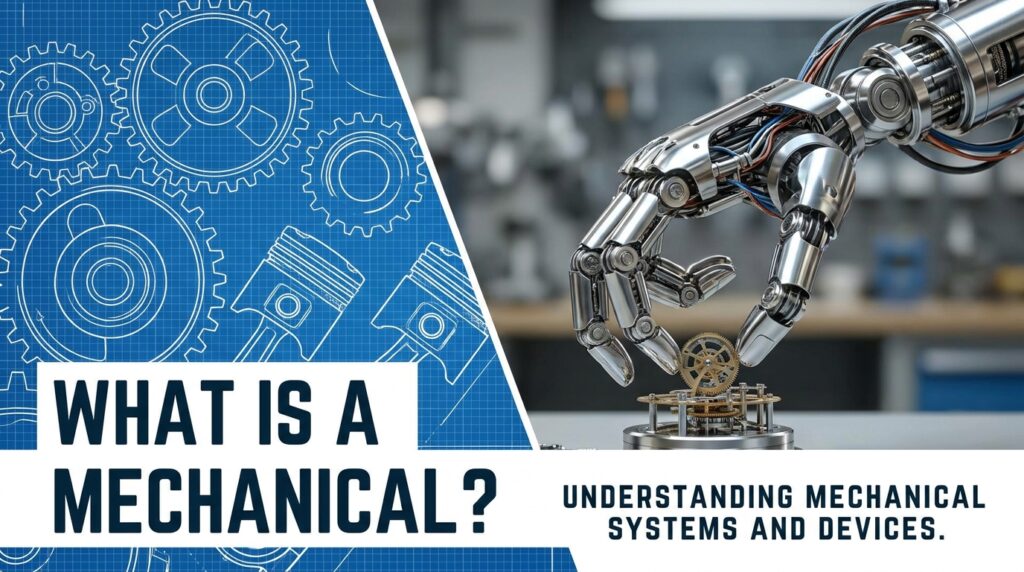
What Is a Mechanical? Exploring the Fundamentals of Mechanical Systems
Mechanical systems play a vital role in everyday life, powering machines and devices that help simplify tasks. By understanding what a mechanical is, you gain insight into the intricate workings of these systems. Let’s explore the fundamentals of mechanical systems, what they consist of, and their relevance in both modern society and daily activities.
Defining Mechanical Systems
A mechanical system refers to a set of interacting components that work together to accomplish a specific function or task. The key elements of mechanical systems include:
- Components: These are the individual parts, such as gears, levers, and pulleys that come together to create movement and function.
- Forces: Forces—both applied and reactive—are crucial in mechanical systems as they help to move parts and perform work.
- Motion: Motion can either be linear or rotational, depending on how the components interact with one another.
- Energy Transfer: Mechanical systems often convert one form of energy into another, such as from potential energy to kinetic energy, allowing the system to perform work.
The Importance of Mechanical Systems
Mechanical systems are everywhere, from simple devices like scissors to complex machinery like engines and robots. Their importance can be seen in various fields:
- Automotive: Vehicles rely heavily on mechanical systems for safe operation, including brakes, steering, and suspension systems.
- Aerospace: Airplanes utilize mechanical systems to control flight, including flaps, landing gear, and control surfaces.
- Manufacturing: Factories are filled with machine tools that rely on mechanical systems to produce items efficiently.
- Healthcare: Medical devices, such as surgical robots, incorporate mechanical systems for precision during operations.
Common Types of Mechanical Devices
Different devices utilize mechanical systems to perform tasks. Here are some common types:
- Levers: A bar that pivots around a point, allowing you to lift heavy objects with less effort.
- Gears: Wheels with teeth that mesh together to transfer motion and torque.
- Pulleys: Wheels with a groove that helps lift heavy loads by changing the direction of force.
- Springs: Flexible devices that store mechanical energy and can either compress or extend, helping absorb shocks or maintain tension.
Types of Mechanical Systems
Mechanical systems can be classified based on their complexity and functionality:
- Simple Machines: These include the lever, wheel and axle, pulley, inclined plane, screw, and wedge. They are basic tools used to make work easier.
- Complex Machines: These are assemblies of multiple simple machines working together, such as bicycles and cars.
- Mechanical Systems in Control: Systems like robotics and automated machines use sensors and feedback mechanisms to operate precisely.
How Mechanical Systems Work Together
Every mechanical device relies on the principles of mechanics and physics. The interaction between components creates desired outputs. For example, in a car engine:
- The ignition process initiates combustion.
- The explosion from combustion forces the pistons to move.
- The pistons turn the crankshaft, converting linear motion into rotational motion.
- This rotational motion ultimately powers the wheels, enabling movement.
Everyday Applications of Mechanical Systems
Understanding mechanical systems can enhance your appreciation for the devices you use every day. Whether operating a washing machine or riding an escalator, mechanical systems are at work. By recognizing these components, you can even troubleshoot common issues. For instance, knowing how a pulley system works can help you fix a stuck window blind.
Grasping the fundamentals of what makes up mechanical systems equips you with valuable knowledge that extends beyond textbooks. Mechanical systems are essential for enhancing our lives, from simple household items to advanced technology. The mechanical world around you is complex yet beautifully designed, serving to simplify tasks and improve efficiency.
The Role of Mechanical Devices in Everyday Life
Mechanical devices are all around us, playing a crucial role in simplifying our lives. From the moment you wake up to the time you go to bed, these systems and devices enhance convenience, comfort, and efficiency in daily tasks. Understanding the role of mechanical devices in everyday life can help you appreciate their impact and functionality.
One of the most common examples of mechanical devices is household appliances. These include refrigerators, washing machines, and vacuum cleaners. Each device operates on mechanical principles to perform its functions. For instance, refrigerators use a mechanical compressor to cool the air and preserve food. Washing machines utilize mechanical agitation to clean clothes, while vacuum cleaners rely on suction created by rotating motors to remove dirt and dust.
Another significant area where mechanical systems make a difference is in transportation. Cars, bicycles, and public transport systems are all built on intricate mechanical designs. The engine of a car is a complex mechanical device that converts fuel into motion, enabling us to travel efficiently. Bicycles, although simpler, showcase mechanics through their gears and pedals, allowing riders to navigate various terrains with ease. Public transportation systems, such as buses and trains, depend on mechanical systems for safe and reliable movements, making commuting accessible for many.
Mechanical devices also play a vital role in healthcare. Medical equipment like X-ray machines and MRI scanners incorporate advanced mechanics to help diagnose and treat patients. X-ray machines use a combination of mechanical and electronic systems to create images of internal structures. MRI machines employ powerful magnets and mechanical movements to provide detailed images of soft tissues. These devices are essential in helping healthcare professionals make informed decisions about a patient’s treatment.
Moreover, in the world of technology, mechanical devices integrate with electronics to enhance functionality. For example, printers are mechanical devices that work alongside electronic systems to produce documents and images from digital inputs. Similarly, robotics combines mechanical systems with programming to accomplish various tasks, from manufacturing to even assisting in homes. Robotic vacuum cleaners are becoming increasingly popular in households, showcasing how mechanical devices can efficiently manage daily chores.
In the realm of construction, mechanical devices are vital in ensuring safety and productivity. Equipment such as cranes, backhoes, and bulldozers are designed with advanced mechanical systems that enhance their performance. Cranes utilize pulleys and cables to lift heavy materials to great heights, enabling efficient construction practices. Backhoes combine the functionality of digging and lifting into one machine, allowing for versatility on job sites. Such equipment is essential in building infrastructure, from roads to skyscrapers.
Many of us may not realize how much mechanical devices contribute to our daily comfort. Heating and cooling systems, such as heaters and air conditioners, use mechanical components to regulate indoor temperatures, providing a comfortable living environment. The thermostat relies on simple mechanical principles to maintain the desired temperature, turning the system on or off as needed. This not only helps in enhancing comfort but also plays a role in energy efficiency.
In the kitchen, mechanical devices help prepare meals with greater ease. Food processors, blenders, and stand mixers employ mechanical parts to chop, blend, and whip ingredients. These devices save time and effort, making cooking more enjoyable. Even simple tools like can openers and corkscrews are mechanical devices that rely on levers and gears to perform their tasks efficiently.
Mechanical devices are integral to our everyday lives. They simplify tasks, enhance our health, and even increase our comfort at home. By understanding the role of these devices, we can appreciate the mechanics that contribute to our daily routine. Next time you use an appliance, ride in a vehicle, or enjoy the climate control in your house, take a moment to acknowledge the engineering behind these mechanical systems. They are truly the unsung heroes of modern living.
Key Components of Mechanical Systems and Their Functions
Mechanical systems play a crucial role in countless applications, from everyday appliances to complex machinery in industries. Understanding the key components of these systems can help you appreciate how they function and interact. Each component has a specific purpose, and together they enable mechanical systems to operate efficiently.
Frame
The frame serves as the backbone of any mechanical system. It provides the structure that supports other components. Often made from materials like steel or aluminum, the frame ensures that the system maintains its shape and integrity under stress. Think of it as the skeleton of a body, allowing for movement while providing essential support.
Power Source
Every mechanical system requires a power source to function. This source can vary widely depending on the application. Common types include:
- Electric Motors: Often found in household appliances, these convert electrical energy into mechanical motion.
- Internal Combustion Engines: Used in vehicles, these engines burn fuel to create motion.
- Pneumatics: Systems that use compressed air to transmit power, commonly found in industrial machinery.
- Hydraulics: Utilizing fluid pressure, hydraulic systems can lift heavy loads efficiently, popular in construction machinery.
Actuators
Actuators are essential for motion control in mechanical systems. They transform energy from the power source into physical motion. Different types include:
- Linear Actuators: These create motion in a straight line, commonly found in robotics and conveyor systems.
- Rotary Actuators: They provide rotational movement, ideal for applications like robotic arms or fan blades.
- Servo Motors: These allow precise control of angular position, often used in steering mechanisms and automated manufacturing.
Transmission System
The transmission system transfers power from the power source to the actuators. It can include various components that manage speed and torque, such as:
- Gears: These change the direction of movement and can alter speed and torque levels.
- Belt Drives: Flexible belts that connect pulleys to transfer motion between components.
- Shafts: These transmit rotational power across distances and can connect multiple parts of a system.
Control Systems
Control systems are the brains behind mechanical systems. They regulate how components interact, ensuring everything operates smoothly. Key roles include monitoring performance and adjusting actions based on feedback. This can include:
- Electronic Controllers: Use sensors to gather data, adjusting motors and actuators accordingly.
- Pneumatic or Hydraulic Controllers: Manage fluid systems to maintain pressure and flow rates.
- Mechanical Linkages: Physical connections that enable one component to directly control another.
Sensors
Sensors are vital for gathering data about the machine’s environment or performance. They help systems make decisions based on real-time information. Common types include:
- Temperature Sensors: Monitor heat levels to prevent overheating.
- Pressure Sensors: Measure fluid or gas pressure within systems.
- Position Sensors: Track the location of moving parts for accurate control of functions.
- Speed Sensors: Monitor the speed of components to ensure optimal operation.
Safety Features
Safety is paramount in mechanical systems. Various features ensure that machines operate without risking injuries or damages. These may consist of:
- Emergency Stops: A button that instantly halts machine operation.
- Guarding Doors: Prevent access to moving parts during operation.
- Alarm Systems: Alert operators to potentially hazardous situations.
Understanding these key components and their functions can provide insights into how mechanical systems work. This knowledge can help you troubleshoot issues, make informed purchases, or even enhance your own engineering projects. Whether you are involved in manufacturing, automation, or just curious about how things work, recognizing the roles of these elements is essential to grasping the larger picture of mechanical systems.
Innovations in Mechanical Engineering: Trends and Future Directions
Mechanical engineering is an ever-evolving field characterized by its innovative practices and technological advancements. With industries adapting to modern demands, various innovations in mechanical engineering are shaping the future. Understanding these trends is essential for anyone interested in the mechanics of our world.
One notable trend is the rise of automation and robotics. As industries seek to improve efficiency, automated systems and robotic devices are increasingly integrated into manufacturing processes. These machines not only enhance productivity but also reduce human error. In settings such as assembly lines, robots can perform repetitive tasks with precision, allowing human workers to focus on more complex problems. This shift towards automation is redefining roles within the workforce, as new skills are needed to manage and maintain robotic systems.
The incorporation of artificial intelligence (AI) into mechanical engineering is another groundbreaking trend. AI technologies help in designing and optimizing systems much faster than traditional methods. Engineers are now utilizing machine learning algorithms to analyze data, predict mechanical failures, and enhance product designs. This development leads to increased efficiency and safety in mechanical systems, streamlining operations and reducing costs. The ability of AI to learn from large datasets makes it a valuable tool in the design and testing phases of engineering projects.
3D printing, or additive manufacturing, is also transforming the landscape of mechanical engineering. This technology allows for the creation of complex components and structures that would be difficult or impossible to produce using conventional methods. Engineers can quickly prototype parts, saving time and resources during the development process. Moreover, 3D printing enables customization, allowing manufacturers to create products tailored to specific customer needs. As this technology evolves, the potential for producing lightweight yet durable components continues to grow, further driving innovation in various industries.
Another significant development is the application of IoT (Internet of Things) in mechanical systems. IoT connects machines and devices over the internet, allowing them to communicate and share information. This connectivity enables real-time monitoring and predictive maintenance, which can prevent costly downtimes in systems. By implementing IoT solutions, engineers can gather data to improve performance and control mechanical processes more effectively. Industries such as automotive, aerospace, and manufacturing are exploring IoT to enhance their operations.
Sustainable engineering practices are gaining importance, driven by the need to address environmental challenges. Innovations in mechanical engineering focus on reducing waste, energy consumption, and emissions. For example, engineers are developing more efficient engines and renewable energy technologies like wind turbines and solar panels. By prioritizing sustainability, mechanical engineering contributes to greener solutions and supports global efforts toward environmental preservation.
- Automation and Robotics: Enhanced productivity through precision tasks performed by machines.
- Artificial Intelligence: Optimizes design, enhances safety, and reduces costs.
- 3D Printing: Allows for rapid prototyping and customization in component production.
- Internet of Things: Enables real-time monitoring and predictive maintenance for mechanical systems.
- Sustainable Practices: Focus on reducing environmental impact through innovative solutions.
In addition to these innovations, the integration of virtual reality (VR) and augmented reality (AR) in mechanical engineering is emerging. These technologies enable engineers to visualize complex designs and simulations, making it easier to identify potential flaws before physical prototypes are built. This process not only saves time and resources but also helps in training and education by providing immersive learning experiences for engineers and technicians.
As mechanical engineering continues to advance, multidisciplinary approaches are becoming more common. Collaboration with fields such as biotechnology, computer science, and material science leads to fresh ideas and solutions. The blending of these disciplines fosters innovation and pushes the boundaries of what’s possible in mechanical engineering.
The future of mechanical engineering holds immense potential, driven by these trends and innovations. As industries evolve and face new challenges, engineers must remain adaptable and open to incorporating new technologies. Staying ahead of trends ensures that mechanical engineering continues to play a crucial role in developing solutions that meet the needs of society.
Understanding the Maintenance and Safety of Mechanical Devices
When you own mechanical devices, it’s essential to understand their maintenance and safety. Proper care ensures that these devices function correctly and last longer, while safety practices protect you and others from potential hazards. This article explores maintenance routines and safety precautions you should follow.
Importance of Regular Maintenance
Regular maintenance of mechanical devices is vital for their longevity and performance. Here are key reasons to stay on top of maintenance:
- Prevents Breakdown: Routine checks can catch issues early, avoiding sudden failures.
- Enhances Performance: Well-maintained devices work more efficiently, saving time and energy.
- Increases Safety: Regular inspections can help identify potential hazards before they become serious problems.
- Extends Lifespan: Devices that are well cared for tend to last longer, ultimately saving you money.
Key Maintenance Practices
To keep your mechanical devices in top shape, follow these maintenance practices:
- Visual Inspections: Regularly check for signs of wear or damage. Look for cracks, rust, or loose components.
- Lubrication: Keep moving parts well-lubricated to reduce friction and improve efficiency. Use the recommended lubricant for your device.
- Cleaning: Dirt and debris can hinder performance. Clean your devices regularly to maintain optimal function.
- Replace Wear Parts: Regularly change out parts that naturally wear down over time, such as belts, filters, or batteries.
- Follow Manufacturer Guidelines: Always refer to the user manual for specific maintenance recommendations tailored to your device.
Understanding Safety Protocols
Safety is paramount when using mechanical devices. Here are crucial protocols to adopt:
- Read the Manual: Before operating any mechanical device, ensure you fully understand the operating manual. It includes critical safety information.
- Wear Protective Gear: Depending on the device, use appropriate personal protective equipment (PPE) such as gloves, goggles, or helmets.
- Do Not Bypass Safety Features: Many devices come with safety guards or emergency shut-offs for a reason. Never disable these features.
- Ensure Proper Training: If others will use the device, ensure everyone is trained on how to operate it safely and how to perform routine maintenance.
- Stay Aware of Surroundings: Always be mindful of your environment when operating a mechanical device to avoid accidents.
Signs Your Mechanical Device Needs Attention
Knowing when your mechanical device needs attention is essential. Look out for these signs:
- Unusual Noises: Grinding, squeaking, or clunking sounds may indicate a problem.
- Performance Issues: If the device isn’t working as efficiently as it once did, it’s likely in need of maintenance.
- Odors: A burning smell can indicate overheating or other problems that require immediate attention.
- Visible Damage: Any visible cracks or breaks should be assessed and addressed promptly.
Emergency Procedures
In the event of an emergency involving mechanical devices, having a plan is crucial. Here’s what to do:
- Shut Down Immediately: If a device behaves erratically or causes injury, turn it off right away.
- Assess the Situation: Determine if it’s safe to address the issue or if you need to wait for professional help.
- Document the Incident: Keep a record of what happened for future reference or insurance needs.
- Report to Authorities: If necessary, report the incident to workplace safety officers or other relevant organizations.
By understanding the maintenance needs and safety protocols of mechanical devices, you can prolong their lifespan and operate them safely. Always prioritize regular checks, educate yourself and others on proper use, and stay vigilant about the signs that indicate a device needs a little extra attention. Keeping these practices in mind will lead to more efficient operations and a safer environment for everyone involved.
Conclusion
With a deeper understanding of mechanical systems and devices, it becomes clear just how integral they are in our daily lives. From the basics of what a mechanical system is to the innovative trends shaping the future of mechanical engineering, it’s evident that these systems enable us to accomplish tasks more efficiently and effectively. Key components, such as gears, levers, and pulleys, form the backbone of these systems, each playing a vital role in their function.
As you navigate the world around you, you may notice mechanical devices at work everywhere—from the simple gears in your watch to the complex machinery in factories. These innovations not only enhance our productivity but also reveal incredible advancements in technology. Keeping these devices well-maintained ensures they operate safely and efficiently, highlighting the importance of regular inspections and updates.
Furthermore, understanding the principles behind mechanical systems empowers you to appreciate the blend of science and creativity that goes into engineering these devices. As ongoing developments push the boundaries of what is possible, the future promises even more exciting changes. Embracing these innovations can lead to improvements in energy efficiency, sustainability, and automation, reflecting our collective drive toward smarter, more responsive technology. By keeping informed and engaged with mechanical systems, you can better appreciate their impact and role in shaping a more advanced world.

Leave a Reply
You must be logged in to post a comment.