
Essential Qualifications and Skills Needed to Become a Mechanic in Australia
Becoming a mechanic in Australia can be a fulfilling career choice for those who are passionate about vehicles and enjoy hands-on work. To start this journey, you need to understand the essential qualifications and skills required to excel in this field. Let’s delve into the key aspects that will help you pave your way toward a successful mechanic career.
Required Qualifications
To become a qualified mechanic in Australia, several educational pathways exist. It is essential to choose the right qualifications to ensure you possess the necessary skills and knowledge.
The foundational qualification you will typically need is a Certificate III in Light Vehicle Mechanical Technology. This course covers a range of topics, including but not limited to:
- Engine repair and maintenance
- Suspension and steering systems
- Electrical systems
- Braking systems
- Vehicle diagnosis
Many aspiring mechanics also complete a four-year apprenticeship program. This hands-on experience allows you to work alongside experienced professionals while gaining classroom knowledge. During your apprenticeship, you’ll not only learn technical skills but also develop critical thinking and problem-solving abilities.
After completing your apprenticeship, you might consider further qualifications such as a Certificate IV in Automotive Mechanical Diagnosis. This could enhance your job prospects and give you a competitive edge in the industry.
Key Skills to Develop
Beyond formal qualifications, several skills are crucial for success in the mechanic profession. Here are the key skills to focus on:
- Technical Skills: A deep understanding of vehicle systems is critical. This includes knowledge of engines, brakes, electrical systems, and more.
- Problem-solving Skills: Mechanics must be able to accurately diagnose issues. Strong analytical skills can help you identify problems efficiently.
- Attention to Detail: Mechanics often work with intricate systems where small mistakes can lead to significant issues. Precision is paramount.
- Communication Skills: You need to be able to explain problems and repairs clearly to customers. Good communication fosters trust and improves customer relationships.
- Time Management: Handling multiple tasks and working under pressure is common in a busy workshop. Developing strong time management will make you more effective.
Staying Updated
The automotive industry is constantly evolving with new technologies and advancements. To remain competitive, it is important to stay updated with industry trends and ongoing training. Consider the following ways to enhance your knowledge:
- Attend workshops and seminars to learn about the latest automotive technologies.
- Subscribe to industry publications or online platforms that keep you informed about new practices.
- Participate in training programs offered by automotive manufacturers or local colleges.
Certifications
Beyond certifications like the Certificate III and IV, gaining additional certifications can be beneficial. Specialized courses on electric vehicles, hybrid technology, or advanced diagnostics can set you apart from others in the field. How Do You Spell Mechanical? Tips To Get It Right Every Time
Certifications can also enhance your credibility and appeal to potential employers. Make sure to maintain any required certifications through renewal courses or continued education, as this reflects dedication to your profession.
Gaining Experience
Once you have your qualifications, gaining practical experience is essential. Most learners start with an apprenticeship, working under the supervision of experienced mechanics. This experience not only hones your skills but also gives you a chance to connect with industry professionals.
Consider pursuing opportunities with various automotive businesses, from dealerships to independent workshops. Each setting offers unique experiences that can enrich your mechanical knowledge. Additionally, volunteering for community events where vehicles are serviced can boost your experience and network.
Becoming a mechanic in Australia requires a mix of the right qualifications, essential skills, and continuous learning. By investing your time and effort into gaining the necessary education and experience, you can build a promising career in this rewarding field.
The Different Types of Mechanics: Finding Your Niche
When thinking about becoming a mechanic, it’s essential to understand the various types of mechanics in the field. Each type focuses on a specific area of automotive service, and finding your niche can be crucial in building a satisfying career. Here, we’ll explore different kinds of mechanics to help you identify where you might fit best.
Automotive Mechanics
Automotive mechanics work primarily on cars and trucks. They diagnose issues, perform routine maintenance, and carry out repairs. This type of mechanic is often the first point of contact for vehicle problems. Skills in diagnostics and an understanding of modern vehicle technologies are critical in this area due to the increasing complexity of vehicles.
Diesel Mechanics
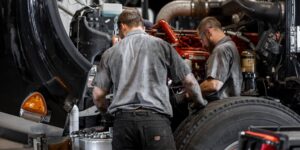
Diesel mechanics focus on vehicles that run on diesel engines, such as trucks, buses, and heavy machinery. This specialization often requires additional training due to the different systems in diesel engines compared to gasoline engines. Diesel mechanics are in high demand, especially in industries like transportation and construction.
Motorcycle Mechanics
If you have a passion for two wheels, you might consider becoming a motorcycle mechanic. This job involves servicing and repairing motorcycles, scooters, and ATVs. Motorcycle mechanics often require a good understanding of the mechanical systems unique to these vehicles, and they must also be adept at working with a wide range of brands and models.
Heavy Equipment Mechanics
Heavy equipment mechanics work on large machinery used in construction, farming, and other heavy industries. This involves both repairs and maintenance of equipment such as excavators, bulldozers, and cranes. Heavy equipment mechanics usually need specialized training due to the complexity and size of the equipment they work on.
Electrical Systems Technicians
As vehicles become more technologically advanced, the role of electrical systems technicians has grown more critical. These mechanics specialize in diagnosing and fixing electrical issues in vehicles. They must be skilled in understanding wiring systems, electronics, and modern vehicle technology.
Performance Mechanics
Performance mechanics focus on enhancing vehicle performance. They work on tuning engines, upgrading systems for higher horsepower, and improving vehicle handling. If you’re passionate about racing or modifying vehicles, this area might be your ideal niche. Performance mechanics often need extensive knowledge and experience in customizing vehicles and understanding engine dynamics.
Collision Repair Technicians
Collision repair technicians specialize in repairing vehicles that have been damaged in accidents. They often work with both the structural and aesthetic aspects of auto repair. This can include everything from frame straightening to repainting the vehicle. A keen eye for detail and skills in bodywork are essential in this area.
Fleet Mechanics
Fleet mechanics maintain and repair groups of vehicles owned by companies, such as delivery trucks or company cars. They often work closely with fleet managers to keep downtime to a minimum and ensure that all vehicles are running efficiently. This role can be fast-paced and requires a broad skill set, as fleet mechanics work on various types of vehicles.
How to Choose Your Niche
Deciding on a niche can depend on various factors, including your interests, the job market in your area, and your willingness to pursue further training in a specific field. Here are some tips to help you find the right path:
- Assess Your Interests: Consider which types of vehicles or machinery excite you the most.
- Research Job Opportunities: Look into the demand for different types of mechanics in your area.
- Seek Training and Certifications: Find out what qualifications are needed for your chosen specialty.
- Gain Hands-On Experience: Try internships or apprenticeships in different areas to see what you enjoy.
Choosing the right type of mechanic career can set the stage for a fulfilling job. Whether you enjoy tinkering with cars or prefer working with heavy machinery, understanding the various types can help you make an informed decision. Embrace your passion, pursue the necessary training, and carve out your niche in the mechanical world.
Steps to Secure an Apprenticeship in Automotive Mechanics
Securing an apprenticeship in automotive mechanics is a crucial step if you want to kick-start your career in this exciting field. The right apprenticeship can provide you with invaluable hands-on experience, technical knowledge, and even help you build a network in the industry. Here are the steps to help you successfully navigate your journey toward becoming an automotive mechanic through an apprenticeship.
Understand the Basics of an Automotive Mechanic
Before you pursue an apprenticeship, it’s essential to understand what the role of an automotive mechanic entails. Responsibilities typically include diagnosing vehicle issues, performing repairs, and maintaining vehicles. You will work with various tools and technology, requiring both technical and problem-solving skills.
Research the Requirements
Different regions and employers have specific requirements for becoming an apprentice. Most would require you to have:
- A high school diploma or equivalent
- Basic mechanical aptitude or experience
- Good communication and teamwork skills
- A driver’s license, preferably with a clean record
Checking with local education institutions or trade schools can help clarify what is expected in your area.
Gain Preliminary Skills and Experience
Having some hands-on experience can give you a competitive edge. Consider the following options:
- Take automotive courses at a local community college or trade school
- Participate in workshops or weekend classes that teach basic car maintenance and repair skills
- Volunteer at local mechanic shops or automotive events
These experiences can provide a solid foundation and confirm your interest in pursuing a career in automotive mechanics.
Create a Strong Resume and Cover Letter
When applying for apprenticeships, it’s essential to present a professional image. Your resume should highlight your education, skills, and any relevant experience. Make sure to include:
- Your contact information
- Objective statement tailored to the automotive field
- Education, including grades or certifications relevant to mechanics
- Any hands-on experience, including volunteering or internships
Your cover letter should reflect your passion for the automotive industry and explain why you are a good fit for their apprenticeship program. Personalizing your letter for each application can make a big difference.
Network with Industry Professionals
Networking can play a significant role in securing an apprenticeship. Attend automotive trade shows, workshops, and local automotive meetups. Make connections with professionals in the industry who may help with referrals or job leads. Consider reaching out to family or friends working in the automotive sector and ask for advice or guidance.
Apply for Apprenticeships
Once you have everything in place, start applying for apprenticeships. Be proactive and check local automotive shops, dealerships, and online job boards. Keep your applications organized and follow up with employers after submitting your application.
Prepare for Interviews
If you get invited for an interview, congratulations! It’s your chance to showcase your skills and personality. Prepare by:
- Researching the company and its culture
- Practicing common interview questions related to mechanics
- Demonstrating your enthusiasm for the automotive field
During the interview, ask questions about the apprenticeship program, your potential learning opportunities, and the shop environment to show your interest.
Commit to Your Learning and Growth
Once you secure an apprenticeship, commit fully to your learning. Be open to receiving feedback, ask questions, and pay attention to the techniques of seasoned mechanics. This is your chance to put theory into practice and make the most out of your apprenticeship experience.
By following these steps, you can smoothly navigate the process of securing an apprenticeship in automotive mechanics. The experience gained through an apprenticeship will not only help you become a skilled mechanic but also lay the groundwork for your future in the automotive industry.
Understanding the Mechanics Licensing Requirements in Australia
To become a mechanic in Australia, understanding the licensing requirements is crucial. The journey may seem complex, but with the right information, you can navigate through it smoothly. Here’s what you need to know about the licensing requirements for aspiring mechanics in Australia.
Education and Qualifications
Before you can obtain a mechanic license, you will need to complete certain educational and qualification requirements. Generally, this involves:
- Completing a Certificate III in Light Vehicle Mechanical Technology or an equivalent qualification.
- Undergoing practical training in a registered training organization (RTO) or an apprenticeship program.
- Gaining hands-on experience working with live vehicles under the supervision of qualified mechanics.
Apprenticeship Requirements
One of the most common pathways to becoming a licensed mechanic is through an apprenticeship. Here’s what to consider:
- Apprenticeships typically last about four years, where you will split your time between on-the-job training and classroom instruction.
- You’ll need to find an employer willing to sponsor your apprenticeship, as they will be responsible for training you while you work.
- During your apprenticeship, you’ll learn essential skills such as diagnosing problems, performing repairs, and conducting maintenance.
Licensing Categories
In Australia, there are different licensing categories depending on the type of work you wish to perform. It’s essential to choose the right path that suits your career ambitions:
- General Mechanical Repairer: For those interested in general automotive repairs.
- Diesel Mechanic: A specialized category for those who will primarily work on diesel engines.
- Light Vehicle Mechanic: Typically focuses on smaller cars and light commercial vehicles.
- Heavy Vehicle Mechanic: Involves working on larger trucks and machinery.
Obtaining Your License
After completing your training and apprenticeship, the next step is to obtain your mechanic license. The licensing process varies between states, but generally involves the following steps:
- Submitting proof of your qualifications, including your Certificate III.
- Providing evidence of your apprenticeship completion.
- Passing a practical and/or written examination to demonstrate your knowledge and skills.
State-Specific Requirements
Keep in mind that each Australian state has specific licensing boards and regulations. Here are a few examples:
- New South Wales: Mechanics must register with the Motor Traders’ Association and may need to complete additional courses on safety regulations.
- Victoria: The Victorian Registration and Qualifications Authority governs the licensing process, requiring mechanics to obtain a Certificate IV for certain specialized areas.
- Queensland: Here, licensing falls under the Department of Transport and Main Roads, and mechanics may also need to demonstrate continued professional development.
Continuing Education and Renewal
After obtaining your license, it’s vital to keep learning. Continuous education helps you stay updated on new technologies and industry standards. Some helpful tips include:
- Participating in workshops and short courses to enhance your skills.
- Joining professional associations for networking and resource sharing.
- Staying informed about advancements in vehicle technology, as the automotive industry is continually evolving.
Being a mechanic is not just about fixing cars; it’s about developing a career that can offer progression and specialization. Understanding the licensing requirements will set a solid foundation for your future endeavors in the automotive industry. So, gear up, and take the first steps toward your exciting career as a mechanic in Australia!
Career Growth Opportunities for Mechanics in the Australian Automotive Industry
The Australian automotive industry is thriving, presenting numerous career growth opportunities for mechanics. Whether you’re just starting or have years of experience, understanding the career pathways available can help you unlock your potential. Here’s a look at the various ways you can grow in this dynamic field.
Entry-Level Opportunities
Everyone begins their journey somewhere, and entry-level positions are the foundation of your career as a mechanic. Starting out, you might work as an apprentice, gaining hands-on experience while getting paid. These positions are common within workshops, dealerships, and automotive service centres. Entry-level roles can include:
- Apprentice Mechanic
- Service Assistant
- Tire Technician
These jobs allow you to learn the basics, develop your skills, and understand the daily workings of an auto repair business. Completing your apprenticeship not only provides you with valuable experience but also prepares you for further qualifications.
Certifications and Further Qualifications
Furthering your education through certifications can enhance your skill set and marketability. In Australia, there are several recognized qualifications that can benefit your career:
- AUR30620 Certificate III in Light Vehicle Mechanical Technology – This qualification equips you with essential skills to work effectively on light vehicles.
- AUR40220 Certificate IV in Automotive Management – This is ideal for those looking to move into management roles and take charge of workshops or teams.
- AUR40120 Certificate IV in Automotive – Electrical Technology – Specializing in electrical systems can make you invaluable, given the increasing complexity of modern vehicles.
Acquiring these certifications opens doors to specialized roles and leadership positions within the automotive sector.
Specialization Areas
As you gain experience, you may want to specialize in a particular area of automotive mechanics. Specializing allows you to become an expert, which can lead to higher pay and increased job opportunities. Popular specialization options include:
- Diesel Mechanics
- HVAC (Heating, Ventilation, and Air Conditioning) Technicians
- Body Repair and Collision Technicians
- Performance and Race Car Mechanics
Each specialization offers unique challenges and rewards, often allowing mechanics to work on cutting-edge technology or high-performance vehicles.
Working for Manufacturers
For those seeking a corporate environment, working with automobile manufacturers offers unique prospects. Positions with manufacturers often involve extensive training, allowing you to become familiar with the latest automobiles and their technological advancements. Roles can include:
- Field Service Technician
- Technical Support Specialist
- Quality Control Inspector
Being involved with a manufacturer not only gives you stability but also places you at the forefront of the automotive industry’s developments.
Management and Leadership Roles
As you gain more experience, moving into management or leadership roles can be a appealing career goal. Positions such as Service Manager or Workshop Supervisor allow you to guide teams, manage customer relationships, and oversee operations. Skills you’ll need to develop include:
- Team Management
- Customer Service Excellence
- Business and Financial Acumen
Good leadership roles often come with higher compensation and are crucial for ensuring that service departments run smoothly.
Entrepreneurial Opportunities
If you have an entrepreneurial spirit, opening your own auto repair shop or specialized automotive service can be the ultimate achievement. This path requires strong business knowledge and a solid understanding of the market. Considerations include:
- Business Plan Development
- Market Research
- Building a Customer Base
Owning a business can lead to immense job satisfaction and financial independence. However, it requires dedication and careful planning.
The automotive industry in Australia is full of potential for career growth. Whether you choose to specialize, move into management, or start your own business, the possibilities are endless. Embrace the journey, continue to learn, and take advantage of the many opportunities available in this exciting field.
Conclusion
Embarking on a career as a mechanic in Australia is an exciting journey filled with opportunities for those passionate about vehicles and problem-solving. Understanding the essential qualifications and skills needed is the first step to ensuring your success in this field. Whether it’s technical expertise in modern automotive technology or the ability to communicate effectively with clients, these skills form the foundation of your career.
Finding your niche as a mechanic is equally vital. The automotive industry offers diverse roles, from general mechanics to specialized positions like diesel or electrical mechanics. This specialization not only enhances your employability but also allows you to work in areas that interest you most.
Securing an apprenticeship is a crucial milestone in your career journey. It provides hands-on experience and helps you gain the necessary skills while you learn from seasoned professionals. Make sure to research and connect with local automotive businesses that are looking for apprentices.
Moreover, understanding the licensing requirements in Australia is essential for your professional development. Each state has specific rules, so familiarize yourself with the guidelines that apply to you.
The automotive industry offers numerous career growth opportunities. By continuing your education and gaining certifications, you can move into management roles or even start your own workshop. With dedication and the right training, becoming a mechanic opens the door to a fulfilling career in Australia’s dynamic automotive landscape. Remember, your journey doesn’t end with becoming a qualified mechanic; it’s just the beginning of a lifetime of learning and advancement.
Leave a Reply
You must be logged in to post a comment.