
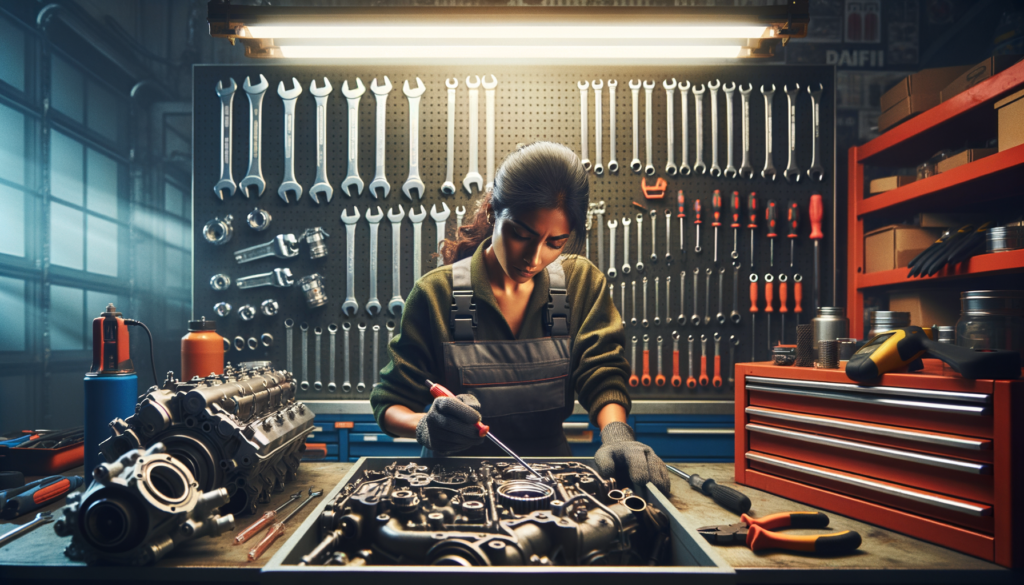
Understanding the Role of a Mechanic: Key Responsibilities and Skills
The role of a mechanic is vital in ensuring vehicles run smoothly and safely. Mechanics work on cars, trucks, and other vehicles, diagnosing and repairing issues that affect performance. Understanding what a mechanic does requires looking at their key responsibilities and the skills needed for the trade.
Key Responsibilities of a Mechanic
Mechanics have a range of responsibilities. Here are some of the primary tasks they perform:
- Diagnosing Issues: Mechanics use tools and techniques to identify problems with vehicles, such as engine issues or brake failures. This diagnosis is crucial for determining the best course of action.
- Conducting Repairs: Once a problem is identified, mechanics carry out necessary repairs. This could involve replacing parts, fixing mechanical systems, or performing routine maintenance.
- Performing Preventive Maintenance: Regular maintenance is essential for vehicle longevity. Mechanics perform oil changes, tire rotations, and brake inspections to prevent future issues.
- Using Diagnostic Tools: Modern mechanics use computerized systems to diagnose issues. Proficiency with these tools is essential for accurate assessments.
- Documenting Work: After completing repairs, mechanics must document the work done. This record helps track vehicle history and informs future maintenance needs.
Skills Required for Mechanics
To succeed in their roles, mechanics must possess certain skills. These include both technical and interpersonal abilities:
- Technical Skills: A firm grasp of mechanical systems is essential. Understanding how different components of a vehicle work together allows mechanics to make accurate repairs.
- Problem-Solving Skills: Mechanics often face complex problems that require critical thinking to solve. They must be able to analyze situations and come up with effective solutions.
- Attention to Detail: Small issues can lead to significant problems in vehicles. Mechanics must have a keen eye for detail to identify potential failures before they occur.
- Communication Skills: Mechanics regularly explain issues and repairs to customers. Being able to communicate technical information clearly is vital for customer satisfaction.
- Physical Stamina: The job often requires standing for long periods and lifting heavy objects, so physical fitness is important.
Work Environment
Most mechanics work in auto repair shops, either independently or for larger repair companies. Some may also work in dealerships or specialized facilities, focusing on specific vehicle types. The environment can be noisy and sometimes hazardous due to tools and machinery, necessitating proper safety practices.
Educational Requirements
While a high school diploma is typically necessary, many mechanics pursue further education through vocational training or community colleges. Programs often provide hands-on experience and cover essential topics, such as automotive technology and repair techniques. Certifications from organizations like the National Institute for Automotive Service Excellence (ASE) can enhance job prospects and demonstrate proficiency in specific areas.
The Importance of Ongoing Training
With the rapid advancement in automotive technology, ongoing training is crucial for mechanics. Staying updated with the latest technologies and repair methods allows them to provide the best service possible. Regular training sessions and workshops help mechanics keep their skills sharp and their knowledge current.
Career Opportunities and Advancement
The automotive industry offers various career paths for mechanics. Some may choose to specialize in areas like braking systems, transmissions, or hybrid vehicles. Others may advance to supervisory roles or even open their own repair shops. The demand for skilled mechanics remains high, which means good job security and opportunities for career growth.
Understanding the role of a mechanic involves recognizing their diverse responsibilities and necessary skills. Whether diagnosing issues, performing repairs, or maintaining vehicles, mechanics play a crucial role in keeping our transportation systems safe and functional. With the right skills and training, a career in mechanics can be both rewarding and fulfilling.
The Tools and Equipment Every Mechanic Uses Daily
Becoming a mechanic requires not just skill but also a wide variety of tools and equipment. These tools are essential for diagnosing problems, performing repairs, and ensuring vehicles are safe and reliable. Here’s a look at the tools and equipment every mechanic uses daily.
Hand Tools
Hand tools are the backbone of a mechanic’s work. They come in various sizes and styles to handle different tasks effectively. Here’s a list of the most commonly used hand tools:
- Sockets and Ratchets: Used for loosening and tightening fasteners, sockets come in different sizes to fit various bolts and nuts.
- Wrenches: Mechanics typically use adjustable wrenches and combination wrenches for various applications.
- Pliers: Needle-nose pliers, slip-joint pliers, and locking pliers are essential for gripping, twisting, and cutting wire.
- Screwdrivers: A set of screwdrivers, including flat-head and Phillips-head types, is vital for removing and securing screws.
Power Tools
Power tools enhance efficiency and accuracy in a mechanic’s work. They often help in accomplishing tasks that require more strength or precision. Some commonly used power tools in the trade include:
- Impact Wrench: This tool delivers high torque, making it easier to remove or install lug nuts on wheels.
- Drill: A power drill is frequently used for making holes in various materials or driving screws quickly.
- Air Compressor: Provides compressed air for operating several other tools, including air wrenches and pneumatic hammers.
- Grinder: Useful for sharpening tools or cutting through metal, a grinder is a staple in many automotive workshops.
Diagnostic Equipment
Diagnostics play a crucial role in modern vehicle maintenance. A mechanic relies on specific equipment to identify issues accurately. Here are some key diagnostic tools:
- OBD-II Scanner: This device connects to a car’s onboard computer to read diagnostic trouble codes, helping to identify problems quickly.
- Multimeter: An essential tool for measuring voltage, current, and resistance, helping in electrical diagnostics.
- Compression Tester: This device assesses the engine’s compression, indicating overall engine health.
- Alignment Equipment: Ensures that a vehicle’s wheels are aligned properly, affecting handling and tire wear.
Safety Equipment
Safety should be a top priority for any mechanic. Proper safety equipment helps reduce the risk of injuries at the workshop. Key safety tools include:
- Safety Goggles: Protects the eyes from flying debris and hazardous materials.
- Gloves: Mechanics use gloves to protect their hands from grease, chemicals, and sharp edges.
- Ear Protection: Using earplugs or earmuffs helps reduce the risk of hearing loss from loud tools and machinery.
- Steel-Toed Boots: These provide essential foot protection against heavy falling objects.
Workshop Equipment
A well-equipped workshop is vital for any mechanic. The right machinery can significantly enhance productivity and workflow. Some key pieces of workshop equipment include:
- Car Lift: Allows mechanics to raise vehicles off the ground for easier access to the undercarriage.
- Tool Chest: Keeps tools organized and accessible, saving valuable time during repairs.
- Parts Washer: Cleans automotive parts thoroughly, ensuring proper maintenance.
- Workbenches: A solid workbench is essential for performing repairs and modifications safely and effectively.
A mechanic’s toolbox is filled with hand tools, power tools, diagnostic equipment, safety gear, and workshop machinery. Each item plays a crucial role in ensuring that repairs and maintenance are conducted efficiently and safely. Understanding these tools not only demystifies the trade but also helps to appreciate the skilled work that mechanics do every day.
Different Types of Mechanics: Choosing the Right Specialization
When considering a career in mechanics, it’s essential to understand the various branches within this field. Each specialization requires different skills and serves unique purposes. Here are some of the most common types of mechanics you might consider when choosing your path.
Automotive Mechanics
Automotive mechanics focus on repairing and maintaining cars. This is perhaps the most recognized type of mechanic. They work on everything from engines and brakes to electrical systems and exhausts. Their responsibilities often include:
- Troubleshooting common vehicle issues
- Performing routine maintenance like oil changes
- Replacing worn-out parts such as tires and batteries
- Conducting inspections to ensure vehicles meet safety and emissions standards
Automotive mechanics need a solid understanding of automotive technology and excellent problem-solving skills.
Diesel Mechanics
For those interested in larger vehicles, diesel mechanics specialize in diesel engines. This includes trucks, buses, and construction equipment. Some of the key duties involve:
- Inspecting and diagnosing diesel engines
- Repairing fuel injection systems and turbochargers
- Performing preventative maintenance
- Adhering to safety regulations specific to heavy equipment
Diesel mechanics often earn higher salaries due to the complexity of their work and the need for specialized knowledge.
Motorcycle Mechanics
If you have a passion for two wheels, becoming a motorcycle mechanic might be your calling. These mechanics deal specifically with maintenance and repair of motorcycles, scooters, and sometimes all-terrain vehicles (ATVs). Their responsibilities include:
- Servicing engines and transmission systems
- Tuning carburetors and fuel injection
- Replacing tires and brake pads
- Diagnosing electrical issues
A strong understanding of mechanics and the camaraderie of the motorcycle community can enrich this career.
Aviation Mechanics
Aviation mechanics, also known as aircraft maintenance technicians, ensure that airplanes are safe to fly. This type of mechanic has specific training because safety is crucial in aviation. Tasks performed include:
- Inspecting aircraft systems and components
- Performing scheduled maintenance
- Diagnosing technical problems using specialized tools
- Keeping meticulous records of work performed
This specialization often requires more training and certification than other types of mechanics, but it can be very rewarding.
HVAC Mechanics
For those who enjoy working with heating, ventilation, and air conditioning systems, HVAC mechanics are responsible for installing, maintaining, and repairing climate control systems. Their duties usually encompass:
- Diagnosing HVAC issues
- Installing new heating and cooling systems
- Testing systems to ensure they run efficiently
- Adhering to environmental regulations while handling refrigerants
This trade is highly in demand as HVAC systems are vital for residential homes and commercial spaces alike.
Industrial Mechanics
Industrial mechanics typically work in factories or manufacturing plants. Their role involves maintaining and repairing machinery used in production. Essential tasks include:
- Inspecting and troubleshooting production machinery
- Performing preventive maintenance
- Replacing faulty components and conducting repairs
- Ensuring machines are efficient and safe to operate
Industrial mechanics often require knowledge of robotics and automated systems, as these systems become more prevalent in modern manufacturing.
Choosing the right type of mechanic specialization can be a game-changer for your career. It’s essential to align your interests and skills with the demands of the trade you’re considering. Whether you prefer working on engines, aircraft, or industrial machinery, there’s a specialization for you. Explore your options and find out where your passion lies!
The Importance of Vehicle Maintenance and How Mechanics Help
Regular vehicle maintenance is crucial for ensuring your car runs smoothly and safely for years to come. Over the lifespan of a vehicle, various components can wear down or break, leading to costly repairs or dangerous situations on the road. This is where mechanics play an essential role. Understanding the importance of vehicle maintenance and how mechanics help can save you time, money, and headaches down the road.
Why Vehicle Maintenance Matters
Taking care of your vehicle is more than just checking the oil occasionally. Proper maintenance helps prevent problems and extends the life of your car. Here are some key reasons why vehicle maintenance is important:
- Safety: A well-maintained vehicle is crucial for your safety and the safety of others on the road. Regular checks ensure that brakes, tires, lights, and other systems are functioning properly.
- Increased Efficiency: Maintaining your vehicle can lead to better fuel efficiency. A car that runs smoothly consumes less fuel, saving you money.
- Resale Value: If you keep your vehicle in good shape, it will have a higher resale value when you decide to sell it. Buyers are more likely to purchase a car with a documented maintenance history.
- Preventive Care: Regular maintenance can catch problems before they become serious issues, reducing the risk of breakdowns and costly repairs.
How Mechanics Assist with Vehicle Maintenance
Mechanics are trained professionals who specialize in diagnosing and repairing vehicle issues. They play an essential role in the maintenance and upkeep of your car. Here’s how they help:
Diagnostic Expertise
One of the most valuable services a mechanic offers is diagnostic expertise. Using advanced tools and technology, they can identify the underlying causes of any issues your car may have. This expertise allows them to pinpoint problems quickly, streamlining the repair process.
Routine Inspections
Mechanics perform routine inspections during scheduled maintenance visits. These inspections typically include:
- Checking engine performance and fluids
- Inspecting tires for wear and proper inflation
- Examining brakes, lights, and signals
- Assessing the battery condition
By catching issues early, mechanics help you avoid more significant problems down the road.
Fluid Changes
Fluids like oil, coolant, and transmission fluid are essential for your vehicle’s operation. Mechanics ensure these are changed regularly and keep your vehicle’s components well-lubricated. Neglecting fluid changes can lead to engine overheating, wear, and tear, and ultimately, serious damage.
Parts Replacement
Your vehicle’s parts can degrade over time. Mechanics are skilled at identifying when parts need to be replaced. Common parts that often require replacement include:
- Brakes and brake pads
- Tires
- Filters (air, oil, fuel)
- Batteries
Replacing worn parts promptly will help ensure your vehicle continues to operate effectively and safely.
Maintenance Schedules
Every vehicle comes with a manufacturer’s maintenance schedule, detailing when different services should occur. A mechanic can help you understand this schedule and ensure you don’t miss any key maintenance tasks. By sticking to this schedule, you can prolong the life of your vehicle and maintain its efficiency.
Key Takeaways
Regular vehicle maintenance is a smart investment in your car’s safety, efficiency, and longevity. Mechanics are vital in this process, providing the expertise and services needed to keep your vehicle in top condition. Whether it’s diagnosing an issue, performing routine checks, or replacing worn parts, a mechanic’s role is indispensable for any car owner. So, make sure to stay proactive with your vehicle upkeep by relying on trusted mechanics who can help you navigate the complexities of car maintenance!
Career Paths in the Automotive Industry: Beyond Being a Mechanic
The automotive industry offers a wide variety of career paths that go beyond the traditional role of a mechanic. While mechanics are essential for keeping vehicles running smoothly, there are many other exciting opportunities for those interested in cars, technology, and customer service. This guide will help you explore various careers available in the automotive sector.
Automotive Engineer
If you enjoy designing and developing new vehicles, then becoming an automotive engineer might be the perfect path for you. These professionals are responsible for creating innovative designs, testing prototypes, and ensuring that vehicles meet safety and regulatory standards. Automotive engineers often work with advanced technology and are involved in research and development. Specializations can include:
- Mechanical Engineering
- Electrical Engineering
- Software Engineering
Automotive Sales Consultant
If you have excellent communication skills and love working with people, consider a career as an automotive sales consultant. This role involves helping customers choose the right vehicles based on their needs and preferences. You’ll need to have a good knowledge of the vehicle lineup, financing options, and customer service techniques.
In addition to selling vehicles, sales consultants often build long-term relationships with customers, providing ongoing service and support. To be successful in this role, you should have:
- A friendly and approachable demeanor
- Strong negotiation skills
- A passion for cars and automotive technology
Automotive Technician
Though similar to a mechanic, automotive technicians typically focus on diagnostics and repair of advanced systems in modern vehicles. They use high-tech diagnostic equipment to identify issues in electronic systems, such as engine control units and infotainment systems. The role often requires specialized training, making it essential to stay updated with the latest automotive technologies.
Vehicle Body Repair Specialist
If you prefer working with your hands and have a keen eye for detail, a career as a vehicle body repair specialist may suit you well. These professionals repair and restore damaged vehicles, including fixing dents, scratches, and more significant structural damage. Body repair specialists must understand various materials, including metal and plastic, and be adept with tools such as welders and paint sprayers.
Custom Automotive Builder
For those who thrive on creativity, custom automotive builders create unique vehicles tailored to specific client needs. This role combines design, engineering, and craftsmanship to fabricate custom parts, paint, and finish custom projects. Builders often work in niches such as classic car restoration, off-road modifications, or show car applications. Key skills include:
- Fabrication techniques
- Knowledge of automotive design
- Creativity and artistry
Automotive Marketing Specialist
If you have a knack for branding and advertising, consider a role in automotive marketing. These specialists create campaigns to promote vehicles and services to potential customers. Their work involves market research, digital marketing, and collaboration with sales teams to ensure messages resonate with target audiences. Skills needed in automotive marketing include:
- Understanding consumer behavior
- Graphic design capabilities
- Proficiency with digital marketing tools
Fleet Manager
Fleet managers oversee a company’s vehicle fleet, ensuring all vehicles are maintained, compliant, and efficiently utilized. This role involves planning budgets, coordinating maintenance schedules, and optimizing the performance of the fleet. Fleet managers require a combination of leadership skills, logistical knowledge, and a solid understanding of automotive maintenance.
Automotive Instructor
If you have a passion for teaching others about automotive technology, becoming an automotive instructor could be a rewarding choice. Instructors can work in vocational schools, community colleges, or training centers, sharing their knowledge of repairs, technology, and industry best practices. This role requires not only expertise in the field but also strong communication skills to engage students effectively.
The automotive industry is vast, offering diverse career paths that cater to various skills and interests. Whether you prefer working with your hands, engaging with customers, or designing innovative vehicles, there’s a place for you in this dynamic field. By exploring these different options, you can find the right fit for your aspirations in the automotive world.
Conclusion
The world of mechanics is vital to the smooth functioning of our vehicles and, by extension, our daily lives. Mechanics carry key responsibilities that require a unique skill set, including problem-solving and technical know-how. Understanding what a mechanic does helps to appreciate the intricate work involved in diagnosing issues and executing repairs expertly.
Having the right tools and equipment is essential in this trade. From wrenches to diagnostic machines, these instruments empower mechanics to perform their jobs efficiently. The investment in quality tools reflects the commitment to delivering top-notch service.
Different types of mechanics specialize in various areas, such as auto, diesel, or marine services. Choosing the right specialization can significantly influence career satisfaction and opportunities. Each specialization comes with its challenges and rewards, allowing you to engage in the types of problems you find most interesting.
Vehicle maintenance is crucial for safety and longevity, and mechanics play a significant role in educating vehicle owners on proper care. Regular check-ups and timely repairs can prevent costly emergencies down the road, making mechanics indispensable partners in vehicle ownership.
For those considering a career in the automotive industry, there are numerous paths beyond just being a mechanic. Opportunities range from management roles to engineering positions, allowing for various career advancements.
This field offers not just a chance to work with your hands but a way to effect positive change in people’s lives—ensuring their vehicles remain safe, reliable, and efficient. Delving into the world of mechanics opens a gateway of possibilities, making it a rewarding career choice.
Leave a Reply
You must be logged in to post a comment.