
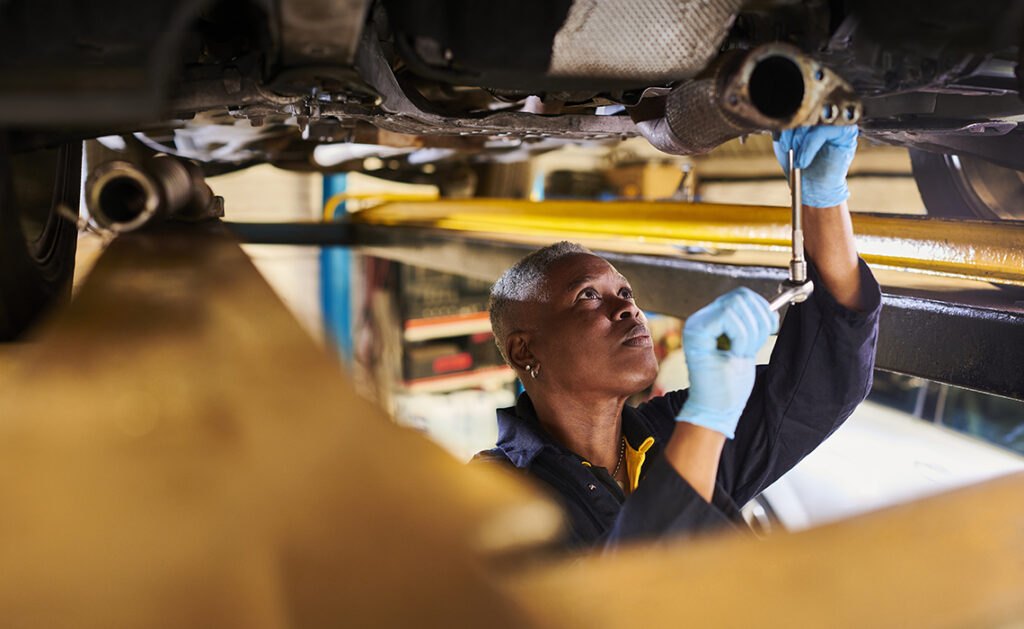
More than 75% of vehicle owners struggle to find a reliable auto mechanic close to their location. It’s a common issue that can lead to unnecessary stress and expenses, especially when you need urgent repairs. Choosing an auto mechanic near you involves more than just proximity; it demands a blend of trust, expertise, and quality service.
Evaluating the reputation and certifications of local mechanics is crucial. For instance, mechanics affiliated with AAA or ASE (Automotive Service Excellence) hold a higher standard in the industry. Surveys indicate that 67% of car owners prefer mechanics recommended by friends or family, underscoring the importance of referrals and word-of-mouth in making an informed choice.
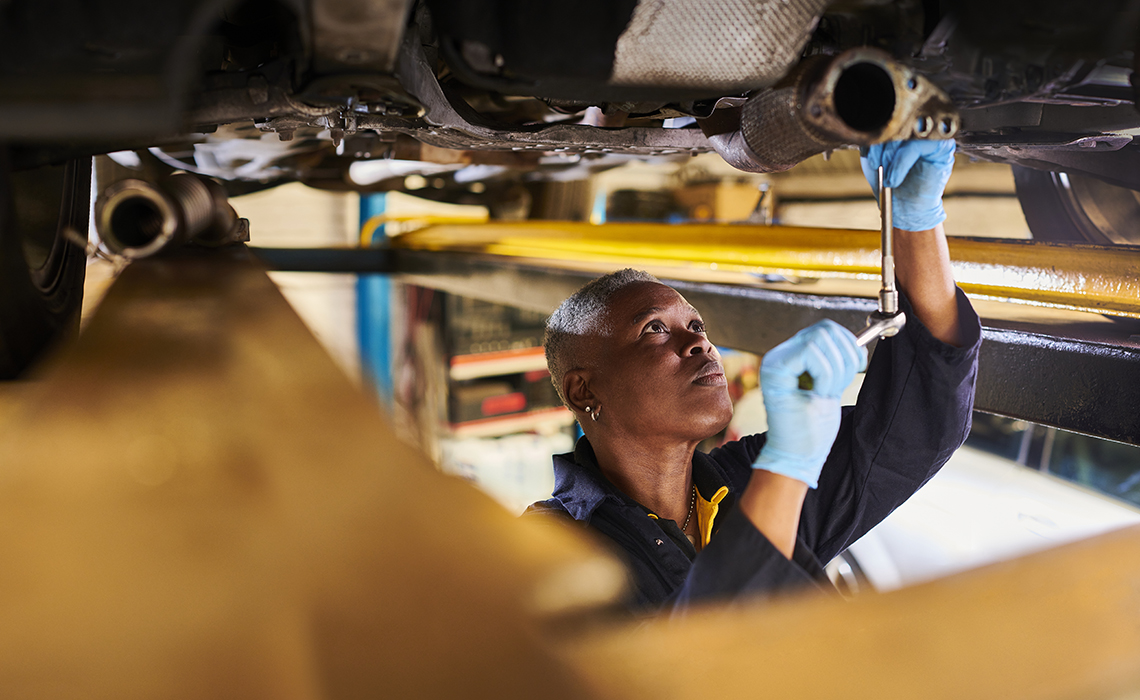
How to Choose an Auto Mechanic Close to Me
Choosing an auto mechanic close to you can start with determining your specific needs. Is it routine maintenance or a significant repair? Knowing this helps narrow down your options. Some mechanics specialize in specific areas, making them a better fit for particular jobs. It’s crucial to define what you need to ensure the mechanic you pick suits your requirements.
Seeking recommendations is an effective method to find a reliable mechanic. Ask friends, family, or coworkers who they trust with their vehicles. Online reviews can also guide you, offering insights into other customers’ experiences. These reviews can help you understand the level of service and customer care provided. Trustworthy recommendations bring peace of mind.
Verifying credentials and certifications is another essential step. Mechanics with ASE certification have undergone extensive training and testing. This guarantees they have the skills needed for high-quality work on your vehicle. Certifications can be a sign of a mechanic’s commitment to professional standards. It assures you that your vehicle is in capable hands.
Finally, checking reviews and testimonials can solidify your decision. Look on platforms like Google Reviews, Yelp, and social media. Positive reviews reflect satisfied customers and trustworthy service. Negative reviews can alert you to potential issues. Prioritize auto mechanics with a balance of good reviews and resolved complaints.
Step 1: Determine Your Needs
The first step in choosing an auto mechanic is to determine your specific needs. Are you looking for regular maintenance like oil changes or more specialized services such as transmission repair? Knowing exactly what you require will help narrow down your options. Some mechanics might be experts in certain areas. This ensures you get the best service for your vehicle’s particular issue.
Take an inventory of your vehicle’s current issues and maintenance history. Does your car make unusual noises, or has a dashboard warning light come on recently? Identifying these problems beforehand can save time during your mechanic search. Keep a record of what services your vehicle has received. This information will be invaluable to your new mechanic.
Creating a list of needs also helps in organizing priorities. Maintenance tasks like brake checks might be more urgent than cosmetic repairs. Evaluate which issues are critical for safety and functionality. Being clear about your priorities ensures the most important tasks are addressed first. It helps you manage time and resources efficiently.
Don’t forget to consider any future needs. If your car is older, you may want a mechanic experienced with aging vehicles. Similarly, if you plan long trips, regular check-ups might be more important. Thinking ahead can guide your mechanic choice for sustained satisfaction. It helps in establishing a long-term relationship with your auto service provider.
Step 2: Seek Recommendations
Asking for recommendations is a smart way to find a reliable auto mechanic. Talk to friends, family, and colleagues who own cars. They can share their experiences and advise on trusted mechanics. A recommendation from someone you trust can save you time. It also provides a degree of assurance in your choice.
Check online communities and local social media groups. Sites like Nextdoor or Facebook can be great for gathering local recommendations. You can see multiple opinions and experiences in one place. This helps in making an informed decision. Online reviews often come with insights on cost, quality, and customer service.
- RepairPal
- Yelp
- Google Reviews
are other useful platforms for finding and comparing mechanics. They show ratings and reviews from many customers. This makes it easier to see who has a good reputation in your area.
After gathering recommendations, narrow down your list to a few mechanics. Contact them to ask about their services and availability. Asking questions helps gauge their customer service and professionalism. It’s a step that can help you feel more comfortable with your choice. Reliable mechanics are happy to answer questions and provide information.
Step 3: Verify Credentials and Certifications
Verifying credentials and certifications is a key step in choosing an auto mechanic. Look for mechanics with ASE (Automotive Service Excellence) certification. This indicates they have passed rigorous tests and have up-to-date skills. Mechanics with this credential are generally more reliable. They are trained to handle various types of vehicle problems.
Another useful certification to check for is the AAA approval. AAA-approved mechanics meet the highest standards in both their work and customer service. This approval signifies a commitment to quality. Ensuring your mechanic has such certifications can provide peace of mind. It means your vehicle is in safe hands.
- ASE Certification
- Manufacturer-specific certifications
- State or local licensing
are important to check. These show that the mechanic has undergone formal training. They demonstrate a focus on continued education and professional growth. Having these certifications adds to a mechanic’s reliability.
Ask the mechanic directly about their qualifications. Don’t be shy to request proof of certifications. A reputable mechanic will have no problem providing this information. Transparency in qualifications helps build trust. It also ensures you receive the highest quality service.
Besides certifications, consider experience in the field. Experienced mechanics are more likely to diagnose and fix problems efficiently. Years of experience often translate to a higher skill level. Combining certifications with extensive experience gives the best results. It assures you of a well-rounded expertise in vehicle care.
Finally, verify if the mechanic shops any affiliations with professional organizations. Organizations like the International Automotive Technicians Network (iATN) set high standards. Membership in such groups further demonstrates a mechanic’s dedication to excellence. It also means the mechanic has access to a network of experts. This can be beneficial for working on complex issues.
Step 4: Check for Reviews and Testimonials
Checking for reviews and testimonials can give you a clear picture of a mechanic’s reputation. Look for feedback on platforms like Google, Yelp, or the Better Business Bureau. These reviews often detail the experiences of other customers. They provide insight into the quality of service and customer satisfaction. It helps you gauge whether a mechanic is trustworthy.
When reading reviews, pay attention to the specifics. Reviews mentioning timely repairs, clear communication, and fair pricing are positive signs. Negative reviews can be red flags if they consistently mention the same issues. However, a few negative reviews are normal. The key is how the business responds to and resolves complaints.
Another valuable resource is social media. Many businesses have profiles on platforms like Facebook and Instagram. These profiles often feature customer comments and interaction. It gives you a real-time view of the mechanic’s customer service. Engaging with customers online shows transparency and accountability.
- Timeliness of service
- Quality of repairs
- Customer service
are common points mentioned in reviews. Focus on these aspects to assess a mechanic’s performance. Reviews that highlight these positive qualities can reinforce your decision. They give a fuller picture of what to expect.
Testimonials on the mechanic’s own website can also be helpful. These are often curated to show the best feedback. They can give you a sense of satisfied customers and successful repairs. Cross-checking these testimonials with independent reviews is wise. It ensures the feedback is genuine.
Lastly, look for patterns in the reviews. Are there recurring complaints about a specific service? Or frequent praise for a particular aspect? Patterns help identify strengths and weaknesses. This can steer you toward a mechanic that meets your expectations.
Step 5: Evaluate Communication and Customer Service
Assessing a mechanic’s communication and customer service is crucial. When you first contact them, note how they respond. Are they polite, professional, and prompt? Good communication ensures you understand what’s happening with your vehicle. It also builds trust between you and the mechanic.
During your initial visit, observe how the staff interacts with customers. Are they welcoming and attentive? Customer service is a reflection of a shop’s overall quality. Mechanics who take the time to explain issues and answer questions demonstrate a customer-first attitude. This level of service indicates reliability and expertise.
Review the shop’s policies on estimates and warranties. Transparent pricing and clear warranties on repairs are signs of trustworthy service. Mechanics who provide detailed estimates help prevent surprises when it comes to the bill. Knowing what to expect financially builds confidence in the shop’s integrity.
- Clarity of estimates
- Responsiveness to inquiries
- Attitude of staff members
are vital aspects to evaluate. Good customer service extends beyond the repair bay. It includes how they handle your queries and concerns throughout the process.
Pay attention to follow-up communication. A reputable mechanic will check in after major repairs to ensure everything is running smoothly. This follow-up shows their dedication to customer satisfaction. It’s a strong indicator that they value your business and care about the outcome. Ongoing support can enhance your overall experience.
Lastly, read reviews focused on customer service aspects. Look for feedback about communication, billing transparency, and courtesy. These reviews can provide additional insights into the service quality. They help you make a more informed decision. Prioritizing customer service leads to a better, more satisfying repair experience.
Key Factors to Consider When Choosing a Local Auto Mechanic
When choosing a local auto mechanic, location is a significant factor. Proximity to your home or workplace can save time and provide convenience. A nearby mechanic allows for easier drop-offs and pick-ups. It also makes it simpler to address emergencies promptly. Convenience reduces stress during car troubles.
Another essential factor is the range of services offered. A full-service mechanic provides various repair types, from routine maintenance to major repairs. Having all your vehicle needs met in one place simplifies scheduling and ensures consistency in service quality. It’s beneficial if they handle everything from oil changes to brake repairs. This comprehensive care builds trust over time.
- Experience and expertise in specific vehicle makes
- Availability of specialized tools
- Use of high-quality parts
enhance the reliability of a mechanic shop. Mechanics proficient with your car’s brand are likely to perform better work. Specialized tools ensure precise repairs, while quality parts lengthen the life of your vehicle.
The cost of services is crucial as well. Compare estimates from different mechanics to find reasonable pricing without sacrificing quality. Look for shops that provide clear, upfront estimates free from hidden fees. Transparency in pricing demonstrates honesty and professionalism. Balance cost with reputation for the best value.
A good warranty on both labor and parts can also influence your decision. Warranties protect you against defects or issues that might arise after the repair is completed. They indicate confidence in their work and customer satisfaction commitment. Ensuring these warranties are part of their policy adds another layer of security for you.
Your overall comfort level with the mechanic matters too. Friendly, respectful communication can make a big difference in how you feel about leaving your vehicle with them. Trusting your gut feeling alongside practical considerations helps you choose wisely. A comfortable rapport often leads to a more positive service experience.
Benefits of Having a Trustworthy Auto Mechanic Nearby
One major benefit of having a trustworthy auto mechanic nearby is the convenience it offers. Regular maintenance, like oil changes and tire rotations, becomes hassle-free. You can easily drop off your car before work and pick it up afterward. Proximity helps in swiftly addressing urgent repairs. Convenience reduces the disruption to your daily routine.
Trustworthy mechanics establish a relationship over time. They get to know your vehicle and its history. This familiarity helps in identifying potential problems early. Consistent care leads to fewer unexpected issues. A strong relationship with your mechanic builds confidence in their services.
- Emergency services availability
- Faster response times
- Personalized attention
add to the benefits. In case of a breakdown, having a reliable mechanic nearby means quicker fixes. Personalized service ensures your car gets the care it truly needs, tailored to its specific history and condition.
Long-term savings are another advantage. Regular check-ups and maintenance prevent costly repairs down the line. A trusted mechanic will advise on necessary services and parts replacement. This proactive approach keeps your vehicle running efficiently. It enhances the vehicle’s lifespan, providing better value in the long run.
Lastly, having a dependable mechanic close by adds peace of mind. Knowing that professional help is just around the corner can relieve stress. Whether it’s a minor issue or a major repair, you can rest easy. This assurance enhances your driving experience. Peace of mind is invaluable when dealing with car troubles.
Common Pitfalls to Avoid in Choosing an Auto Mechanic
One common pitfall in choosing an auto mechanic is neglecting to research properly. Many people choose the first mechanic they come across without comparing options. This can lead to unsatisfactory service. Always take time to compare different mechanics. Check their credentials, reviews, and services offered.
Avoid choosing a mechanic based solely on low prices. While budgeting is important, the cheapest option may not always provide the best service. Low prices might mean compromised quality or hidden costs. Look for a mechanic who offers a good balance between cost and quality. Ensuring value for your money is crucial.
- Ignoring the importance of certifications
- Overlooking customer service experiences
- Failing to ask for a written estimate
are other pitfalls to avoid. Certifications ensure the mechanic is qualified. Positive customer service experiences indicate reliability. Written estimates prevent unexpected charges and misunderstandings.
Another mistake is not asking enough questions. Don’t hesitate to inquire about their experience, tools, and warranty policies. A good mechanic will be transparent and willing to answer. Not asking questions can leave you unaware of critical details. Proper communication helps in making an informed choice.
Last but not least, don’t overlook follow-up and after-service support. A reputable mechanic will follow up to ensure your vehicle runs smoothly post-repair. They should provide advice on maintaining your car. Neglecting this aspect might result in future issues. Reliable support adds value to the services.
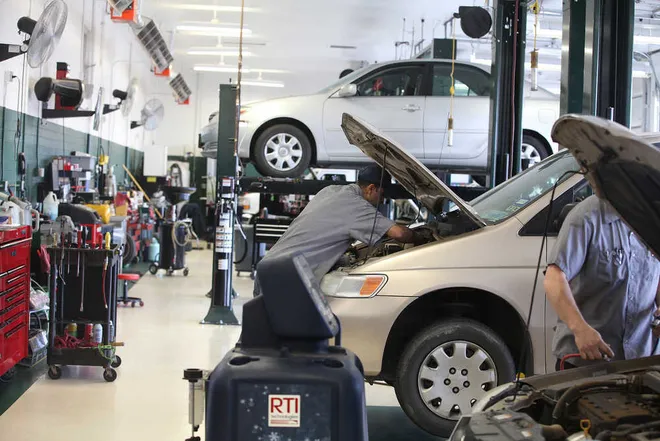
Conclusion
In summary, choosing the right local auto mechanic involves several key steps. These include determining your needs, seeking recommendations, and checking credentials. Evaluating communication and customer service also play critical roles. Avoid common pitfalls to ensure you receive quality service for your vehicle.
Having a trustworthy mechanic nearby brings numerous benefits. It offers convenience, long-term savings, and peace of mind. Taking the time to select a reliable mechanic can save you from future hassles. It’s an investment in your vehicle’s health and your own peace of mind.
Leave a Reply
You must be logged in to post a comment.