
Picture an automobile filled with advanced electronics, each component communicating seamlessly to ensure a smooth drive. When a cog in this intricate mechanism falters, unraveling the issue demands more than just basic knowledge. This is where the expertise of a mechanic electronic specialist becomes indispensable, as they navigate through complex schematics to restore functionality.
The journey begins with a deep dive into the vehicle’s diagnostic system, tracing faults with precise tools and seasoned intuition. Historically, the evolution of automotive electronics has seen technicians evolve into tech-savvy problem solvers, grounded in both mechanical skills and electronic prowess. For instance, a survey showed over 70% of modern car issues stem from electronic failures – an aspect these specialists are adept at resolving efficiently.
 Source: baseride.com
Role of a Mechanic Electronic Specialist in Modern Automotive Repair
Mechanic electronic specialists play a crucial role in the automotive industry. They handle the diagnosis and repair of complex electronic systems in modern vehicles. As cars become more advanced, their work becomes even more important. Gone are the days when fixing a car was just about replacing mechanical parts. Now, it involves understanding intricate electronic networks and systems.
These experts use specialized tools to diagnose issues. Some of these tools include OBD-II scanners, multimeters, and oscilloscopes. These tools help them pinpoint the problem quickly and accurately. By doing so, they save both time and money for car owners. Their skills ensure that the electronic systems work seamlessly together.
Mechanic electronic specialists also ensure that vehicles comply with safety standards. Modern cars feature advanced safety systems like ABS and electronic stability control. When these systems fail, it can lead to dangerous situations. Specialists repair and maintain these critical systems. This ensures the safety of the driver and passengers.
The demand for these specialists is growing rapidly. With the rise of electric and hybrid vehicles, their expertise is more valuable than ever. They stay updated with the latest technologies and advancements in the automotive field. Continuous learning is a part of their job. Their role is vital in maintaining the performance and safety of modern vehicles.
The Essential Diagnostic Tools Used for Troubleshooting
Mechanic electronic specialists utilize various diagnostic tools to identify and fix electronic issues in vehicles. One of the most important tools is the OBD-II scanner, which connects to the car’s onboard computer. It provides error codes that help identify the problem quickly. This tool is essential for modern vehicles with complex electronic systems. Without it, troubleshooting would be much more time-consuming.
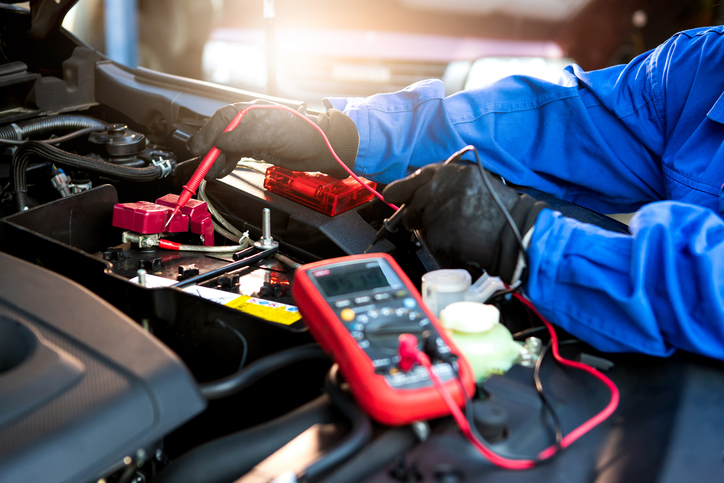
Another critical tool is the multimeter, which measures voltage, current, and resistance in electrical circuits. This tool helps specialists check electrical connections and components. By using a multimeter, they can detect faulty wiring or damaged sensors. This ensures that all parts are functioning correctly. It’s a versatile tool used in many diagnostic procedures.
Oscilloscopes are also widely used diagnostic tools. They allow specialists to see how electrical signals behave over time. This is crucial for identifying issues in dynamic electronic systems. For instance, it can help pinpoint problems in the ignition system or fuel injectors. Understanding signal patterns can prevent further damage to the vehicle.
Other valuable diagnostic tools include thermal cameras and smoke machines. Thermal cameras help detect overheating components. Smoke machines are used to find leaks in the vehicle’s vacuum system. These tools enhance the ability to diagnose complex issues accurately. By using these tools, specialists ensure the vehicle’s systems run smoothly and efficiently.
Steps for Identifying and Addressing Electronic Failures
Identifying electronic failures in vehicles involves a systematic approach. The first step is to perform a visual inspection. This helps in spotting any obvious signs of damage, such as burnt wires or disconnected plugs. It sets the groundwork for more detailed diagnostics. Often, this initial check can reveal minor issues that are easily fixed.
Next, the specialist connects the OBD-II scanner to read error codes. These codes provide specific information about what might be wrong with the vehicle’s electronic systems. By analyzing the codes, technicians can narrow down the problem areas. This step is crucial for modern cars with complicated electronic setups. It saves a lot of time in pinpointing the fault.
After identifying potential issues, the specialist uses a multimeter to check electrical components. This tool helps measure voltage, resistance, and current in different parts of the system. It’s important to verify that all electronic parts are receiving the correct voltage. Any discrepancies found during this step guide the technician in making necessary repairs.
The final step is to test and validate the fix. After repairs are made, the system is rechecked to ensure everything is working properly. This involves running the car and monitoring its performance. If the issue persists, the specialist may need to repeat some earlier steps. Ensuring the problem is fully resolved is essential for vehicle safety and reliability.
Case Studies: Successful Resolutions of Complex Electronic Issues
One notable case involved a luxury sedan with a malfunctioning infotainment system. The owner reported that the touchscreen would freeze and the sound would cut off unexpectedly. Upon inspection, the specialist used an OBD-II scanner to detect communication errors in the system. It turned out that a software update was needed. After the update, the system ran smoothly without any glitches.
Another case study featured an electric vehicle that experienced rapid battery drain. The car’s diagnostics indicated an issue with the battery management system. Using specialized tools like oscilloscopes, the technician identified faulty capacitors in the circuit board. Replacing these capacitors resolved the issue, restoring the battery’s performance. This solution prevented the need for an expensive battery replacement.
A hybrid SUV had a persistent problem with its regenerative braking system. The driver noticed decreased efficiency and unusual sounds during braking. After a thorough check, the mechanic found that the sensors in the braking system were damaged. By replacing and recalibrating these sensors, the braking performance improved significantly. This case highlighted the importance of precise sensor alignment in modern vehicles.
In another instance, a sports car’s engine control unit (ECU) was malfunctioning, causing erratic engine behavior. The specialist first reviewed error codes and then used a multimeter to measure electrical values. They discovered a short circuit in the wiring harness connected to the ECU. Fixing the wiring restored the engine’s proper function. This case demonstrated how detailed diagnostics can prevent major engine failures.
A final example involved a diesel truck with issues in its emission control system. The vehicle failed to meet emission standards due to faulty exhaust gas recirculation (EGR) valves. Using thermal cameras, the specialist pinpointed overheated areas in the system. Replacing the EGR valves brought the emissions back to acceptable levels. This repair ensured the truck passed environmental regulations.
Future Skills and Technologies Affecting Mechanic Electronic Specialists
Emerging technologies are transforming the role of mechanic electronic specialists. Knowledge in electric vehicle maintenance is becoming essential. As more people switch to electric cars, specialists must understand battery systems and electric motors. Advanced training in these areas will be crucial. Keeping up with software updates for these vehicles is also important.
Another key area is expertise in autonomous driving systems. Self-driving cars rely on complex sensors and computer systems to operate. Specialists will need to learn how to troubleshoot and repair these advanced systems. This includes understanding lidar, radar, and camera technologies. These skills will ensure the safety and reliability of autonomous vehicles.
Mechanics must also adapt to new diagnostic tools and software. Traditional tools are being replaced by more sophisticated equipment. For example, augmented reality (AR) can assist in visualizing internal components without disassembly. AR tools can overlay detailed instructions on the vehicle parts. This technology can improve accuracy and reduce repair times.
Cybersecurity is becoming a significant concern for modern vehicles. Cars are now connected to the internet and other devices, making them vulnerable to cyber threats. Specialists will need training in protecting vehicle systems from hacking. This involves securing onboard networks and updating system software regularly. Ensuring cybersecurity will be a critical skill.
Soft skills are equally important for future mechanic electronic specialists. Effective communication with customers is essential for explaining complex issues clearly. Good customer service skills can build trust and ensure customer satisfaction. Collaborative skills are also necessary for working with other technicians. These interpersonal skills are just as valuable as technical expertise.
Source: autotrainingcentre.com
Conclusion
In a rapidly evolving automotive world, mechanic electronic specialists are more essential than ever. Their deep understanding of complex electronic systems ensures the safety and efficiency of modern vehicles. Through continuous learning, they adapt to new technologies and tools, staying ahead in the industry.
Looking forward, their role will only expand with advancements in electric and autonomous vehicles. Mastery of new diagnostic tools and cybersecurity will be paramount. With these skills, they will continue to be the backbone of automotive innovation and reliability, ensuring vehicles stay on the cutting edge of technology.
Leave a Reply
You must be logged in to post a comment.