
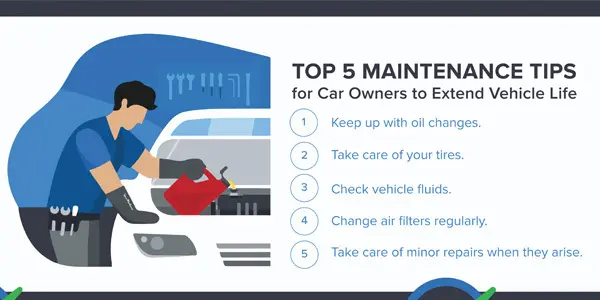
It’s astonishing to consider that a properly maintained car can outlast its neglected counterpart by well over 100,000 miles. The journey to achieving this remarkable feat, however, begins with meticulous care and attention to detail. Every car enthusiast knows that preventive measures are the cornerstone of vehicle longevity.
A regular maintenance schedule can significantly extend your vehicle’s life span. According to industry statistics, consistent oil changes can reduce engine wear by up to 50%. Furthermore, keeping an eye on tire pressure not only ensures safety but also enhances fuel efficiency and overall performance. These small, routine tasks add up, making a notable impact over time.
 Source: bc0a.com
Car Mechanic Tips to Extend Your Vehicle’s Life
Regular maintenance is the cornerstone of keeping your vehicle running smoothly. This includes routine oil changes, which prevent sludge build-up in the engine. Frequent oil filter replacements are also crucial. These small actions can prevent costly repairs down the road. Stay on top of these tasks to ensure your car’s longevity.
Paying attention to tire maintenance is another key aspect. Proper tire pressure improves fuel efficiency and safety. Rotate your tires every 5,000 to 8,000 miles. This helps them wear evenly and extends their life. Don’t forget to check tread depth regularly. Top 5 Best Mechanical Toothbrushes Reviewed
The way you drive impacts your vehicle’s lifespan significantly. Gentle acceleration and braking reduce wear and tear. Avoiding potholes and rough terrain also helps. These habits save you money on repairs. Moreover, they make your car last longer.
Regularly inspect your car’s fluids, such as brake fluid, coolant, and transmission fluid. These should be checked and topped up frequently. Use your car’s manual as a guide. It will help you understand ideal levels and intervals. Consistent attention to fluid levels supports overall health of your vehicle.
Regular Maintenance and Check-Ups
Regular maintenance and check-ups are essential to keep your vehicle in top shape. They help identify potential issues before they become major problems. Scheduled maintenance should include oil changes, tire rotations, and fluid checks. Each of these tasks contributes to the overall health of your car. Skipping them can lead to more extensive damage.
Listen to your vehicle’s needs. Pay attention to unusual sounds or vibrations. These can be early warning signs of mechanical issues. Addressing them promptly can prevent costly repairs. It also enhances your car’s performance.
During check-ups, mechanics examine critical components such as the brakes, battery, and lights. Ensuring these parts are in good working order is crucial for safety. Additionally, they might check the alignment and suspension. Regular inspections prolong the life of your vehicle. They also make your driving experience more enjoyable.
Keeping a maintenance log is a good practice. Record every service performed on your vehicle. This helps track when future maintenance is due. It’s also useful when selling the car. Buyers appreciate a well-documented service history.
Importance of Oil Changes and Fluid Checks
Oil changes are vital for the health of your engine. They remove dirt and particles, preventing them from causing wear and tear. Over time, engine oil breaks down and becomes less effective. Regular oil changes ensure your engine runs smoothly. They also enhance fuel efficiency.
Fluid checks are just as important. These include brake fluid, coolant, and transmission fluid. Each type of fluid plays a crucial role in your car’s operation. For example, brake fluid ensures your brakes function correctly. Coolant helps prevent the engine from overheating.
Many drivers underestimate the importance of these simple checks. However, neglecting them can lead to significant problems. Regularly monitoring fluid levels can catch issues early. This can save you from expensive repairs. It also extends the life of your vehicle.
To make this easier, keep a checklist of fluids to inspect. Refer to it each month to ensure nothing is overlooked. You can include:
- Engine Oil
- Brake Fluid
- Coolant
- Transmission Fluid
Consistent monitoring keeps your car in optimal condition.
Understanding Tire Maintenance and Rotation
Tire maintenance is crucial for your vehicle’s overall health and safety. Properly inflated tires improve fuel efficiency and handling. Regularly checking your tire pressure can prevent blowouts and extend tire life. Inflate your tires to the manufacturer’s recommended levels. This information is typically found in your car’s manual or on the driver’s side door.
Rotating your tires is another essential practice. Rotation helps tires wear evenly. Each tire wears differently depending on its position on the vehicle. Rotating them every 5,000 to 8,000 miles balances this wear. This can extend the life of your tires by several thousand miles.
Monitoring tire tread is also important. Tread depth affects traction and handling, especially in wet conditions. Use a penny to check tread depth; if you can see all of Lincoln’s head, it’s time for new tires. Tires with good tread reduce the risk of hydroplaning. This increases safety for you and your passengers.
Aligning your wheels ensures even tire wear and a smoother ride. Misaligned wheels can cause your car to pull to one side. This uneven wear shortens the life of your tires. Have your alignment checked annually. Regular alignment helps preserve your tires and improves handling.
Additionally, keeping an eye on tire balance is necessary. Unbalanced tires can lead to vibration and uneven tire wear. This can be felt through the steering wheel, seat, or floorboard. Have your tires balanced when you notice these issues. Routine balance checks keep your ride smooth and your tires healthy.
Maintaining your tires properly isn’t just about safety and performance. It also saves money in the long run. Properly maintained tires last longer and perform better. This reduces the frequency of replacements. In turn, it keeps more money in your pocket.
The Role of Driving Habits in Vehicle Longevity
Driving habits play a significant role in your vehicle’s longevity. Gentle acceleration and braking help reduce wear and tear on your engine and brakes. Sudden starts and stops put a lot of stress on vehicle components. The smoother you drive, the less strain you put on your car. This can lead to a longer lifespan.
Avoiding potholes and rough roads can save your suspension and tires. Deep potholes can cause immediate damage, such as flat tires or bent rims. This damage wears out your suspension faster. Driving carefully and avoiding hazards keeps your car running better. It’s also safer for you and your passengers.
Paying attention to your speed is also important. Higher speeds require more energy and put extra strain on your engine. Staying within speed limits helps maintain your car’s condition. It’s also more fuel-efficient. Driving steadily can extend the life of your vehicle.
Using cruise control on highways can be beneficial. It helps maintain a constant speed, reducing the need for frequent acceleration and braking. This consistent pace is gentle on your engine. It also helps improve fuel efficiency. Better fuel economy means less engine wear over time.
Avoid idling for long periods. Idling keeps your engine running without moving, which can cause it to overheat. Turning off the engine when you’re parked for more than a few minutes is better. This simple action reduces unnecessary wear. It conserves fuel and benefits the environment.
Regularly using your car’s air conditioning wisely can also make a difference. While AC is necessary in hot weather, it puts extra load on the engine. Using it effectively, like turning it off when not needed, can save fuel. This reduces overall engine wear and keeps your vehicle in better condition.
Source: prnewswire.com
Conclusion
Maintaining your vehicle through regular check-ups, proper fluid checks, and mindful driving habits can significantly extend its lifespan. Simple practices, like timely oil changes and tire rotations, prevent major issues. These efforts ensure your car runs smoothly and efficiently.
Paying attention to your driving habits also plays a crucial role. Gentle acceleration and braking, avoiding potholes, and adhering to speed limits protect your vehicle. By adopting these practices, you’ll enjoy a safer, more reliable ride for years to come.
Leave a Reply
You must be logged in to post a comment.